Choosing the best Pet Supplies in 2026 means looking beyond cute packaging. A sturdy harness should sit comfortably without rubbing. A food bowl should be easy to clean. A carrier should fit your pet, not just your car. Small details matter.
The American Pet Products Association (APPA) reported that U.S. pet-industry spending reached $147 billion in 2023 and projected $150.6 billion for 2024 in its 2024 State of the Industry report. That scale reflects a crowded market, not a guarantee that every new gadget is useful. APPA president and CEO Steve King has described the sector’s resilience this way: “Pet owners continue to prioritize their pets’ health and well-being.” Before buying, check whether a product suits your animal’s age, size, habits, and health needs. Ask your veterinarian when a choice could affect care.
This guide will compare everyday essentials, from food-storage containers and litter tools to beds, leashes, and enrichment toys. It will also weigh durability, cleaning, safety features, and value over time. A low price can be tempting. So can a clever ad. Yet a toy left untouched in the corner is still money spent, and I have learned that the hard way. The best picks are not always the newest or most expensive; they are the ones your pet can use comfortably and you can maintain consistently.
The American Pet Products Association estimates that U.S. pet spending will reach $157 billion in 2026. That figure covers a broad industry, not supplies alone. It signals a large market, but it does not mean every new product is worth buying. Set priorities around your pet’s daily needs and your household budget.
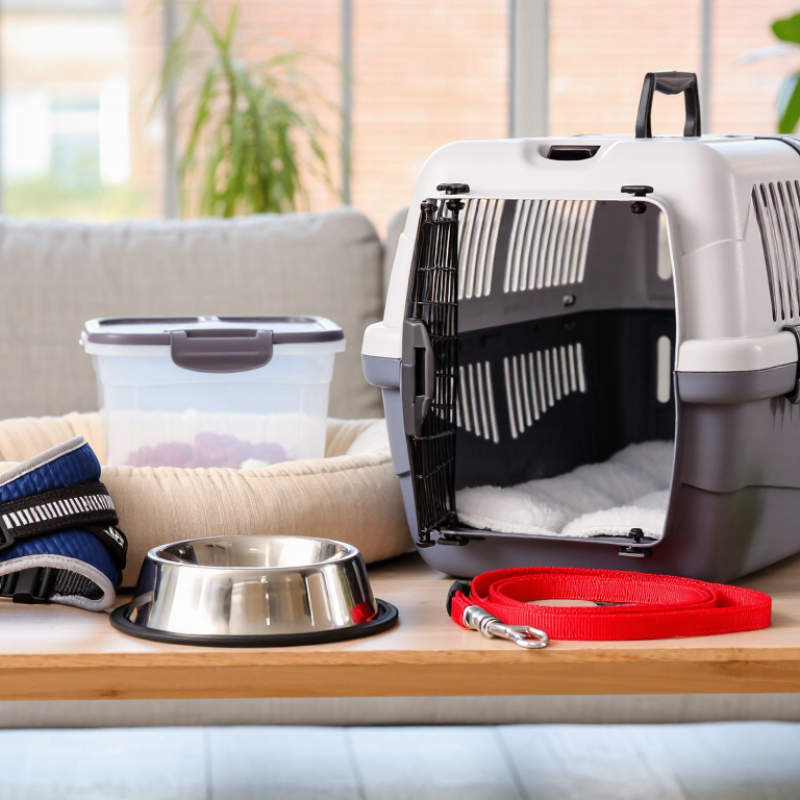
Start with items that affect routine care: a well-fitting harness, washable bedding, food and water bowls, and reliable grooming tools. Check seams, fasteners, and cleaning instructions before purchase. A bowl that slides across tile or a bed that traps fur can become a daily annoyance. Small details matter. For toys, match size and material to your pet’s chewing habits, and check regularly for damage. Replace worn items promptly.
Use durability and safety as filters, not marketing claims. Look for clear material descriptions and practical care guidance. If sizing is uncertain, measure your pet rather than guessing. It is easy to overvalue a clever feature and overlook whether an item gets used. I would rather see a short list of dependable essentials than a cart full of impulse buys. Even so, the cheapest option may cost more if it wears out quickly, so compare expected use, repairability, and cleaning effort before deciding.
When choosing pet supplies in 2026, give food labels a close read. Look for a nutritional adequacy statement showing that the food is complete and balanced for a named species and life stage. AAFCO publishes nutrient profiles for dogs and cats, but it does not approve or certify individual foods. The label should explain whether nutritional adequacy is supported by formulation or feeding tests. Details matter.
A puppy, adult cat, and senior dog may need different nutrient levels. Match the statement to your pet’s age, and ask a veterinarian about special needs such as kidney disease or food allergies. I would not treat one label line as the whole story. Calorie content, portion size, and your pet’s body condition matter too. Watch how your pet eats and feels after a gradual food change; appetite, stool, and weight can offer useful clues.
Tips: Check the adequacy statement before comparing flavors or packaging. Keep a photo of the label, including the feeding guide, for your veterinarian. Treats are not a substitute for balanced meals, and their calories can add up quickly. A label can reassure you, but it cannot tell you everything about an individual pet’s needs.
AAFCO nutrient profiles set minimum nutrient levels for different species and life stages. This chart compares minimum crude protein and crude fat percentages on a dry-matter basis. Check that a food is formulated for your pet’s life stage; the appropriate diet and feeding amount also depend on individual needs and the food’s energy density.
APPA’s $152 billion U.S. spending baseline offers useful context for 2026 shopping, but it is a market-wide figure, not a sensible budget for one household. It reflects spending across pet-related categories, not what any individual animal needs. Keep the distinction clear. For everyday essentials, start with a pet’s actual routine: suitable food, a sturdy bowl, waste bags or litter, and a comfortable leash or carrier when needed. Small details matter. A tightly sealed food container can help keep kibble fresh, while a litter mat may reduce scattered granules near the door.
Compare supplies by use and replacement frequency, not just package size or shelf price. Check feeding information with a veterinarian when dietary needs are specific, and inspect seams, clasps, and sizing before buying gear. Choose toys suited to the animal, and remove damaged ones. Not every pet fits. Leave room in the budget for grooming tools and cleaning supplies, while allowing for changing needs. Planning can feel precise, but a pet may reject a new bed or prefer a plain cardboard box. Track what gets used for a month, then adjust purchases rather than treating APPA’s national figure as a shopping target.
Use this checklist to compare everyday essentials by practical buying considerations. The APPA figures below are broad 2024 U.S. industry spending categories, not spending estimates for individual products or a 2026 forecast.
| Everyday Essential | What to Compare Before Buying | Useful Buying Check | Relevant APPA Spending Category |
|---|---|---|---|
| Pet food and treats | Species, life stage, feeding needs, ingredient information, package size, and cost per serving. | Check feeding directions and consult a veterinarian about special dietary needs. Store food according to its packaging. | Pet food and treats; included in APPA’s broad 2024 category. |
| Litter and waste-management supplies | Suitability for the animal and household, ease of cleaning, package size, and ongoing cost. | Follow product directions and maintain a regular cleaning routine. Keep cleaning products stored safely away from pets. | Supplies, live animals, and OTC medicine; APPA does not report a separate litter or waste-supplies total. |
| Collars, harnesses, leashes, and identification | Correct fit, secure fastenings, appropriate size, and suitability for the animal and intended use. | Check fit and hardware regularly; replace damaged equipment. Keep identification details current. | Supplies, live animals, and OTC medicine; no separate APPA spending figure for these items. |
| Beds, carriers, crates, and bowls | Appropriate dimensions, stability, ease of cleaning, and suitability for the pet’s size and routine. | Inspect regularly for damage and clean according to the item’s care instructions. | Supplies, live animals, and OTC medicine; individual product spending is not separately reported. |
| Grooming tools and bath supplies | Suitability for coat type, ease of handling, and clear use and safety directions. | Use products intended for the animal and follow label directions. Ask a veterinarian about skin or coat concerns. | Supplies, live animals, and OTC medicine; no APPA grooming-tools subtotal is provided. |
| Toys and enrichment items | Appropriate size, construction, intended play style, and ease of inspection and cleaning. | Supervise play when appropriate and remove items that become damaged or unsafe. | Supplies, live animals, and OTC medicine; APPA does not publish a separate toy-spending figure in this breakdown. |
| Preventive care and health products | Whether the item is appropriate for the pet, its intended use, and the directions on the label. | Check with a veterinarian before using medicines or supplements, especially when a pet has a health condition or takes other medication. | OTC medicine is included in APPA’s combined supplies category; veterinary care is reported separately below. |
| APPA Spending Category | 2024 U.S. Spending | Approx. Share of $151.7B Total | How It Relates to the Shopping Checklist |
|---|---|---|---|
| Pet food and treats | $65.8 billion | 43.4% | Broad category that includes food and treats; it is not a measure of any one food type or product. |
| Supplies, live animals, and OTC medicine | $33.3 billion | 22.0% | Combined category relevant to many everyday supplies listed above. APPA does not provide product-by-product amounts in this summary. |
| Veterinary care and products | $38.3 billion | 25.2% | Context for health-related pet spending; it is a broad industry category, not a shopping budget for preventive products. |
| Other services | $14.3 billion | 9.4% | Services category rather than an everyday-supplies category. |
| Total | $151.7 billion (about $152 billion) | 100% | Rounded category figures sum to $151.7 billion, which is commonly presented as approximately $152 billion. |
Source: American Pet Products Association (APPA), 2024 U.S. pet industry expenditure estimates. Shares are approximate calculations using the $151.7 billion sum of the listed categories. Spending categories are broad industry totals and should not be interpreted as product-level sales, recommended budgets, or 2026 projections.
A safe pet-supply list starts with food handling, not a fancy bowl. The FDA advises keeping pet food in its original bag, sealed inside a clean container, and saving the lot number in case of a recall. Wash hands after feeding, and clean bowls regularly. Small details matter. The FDA also recommends checking recall notices; a familiar label does not guarantee every batch is safe.
Identification and emergency supplies deserve equal attention. The AVMA advises keeping pets identified with collars and current contact details, and microchipping can provide another way to reconnect a lost animal. Add a carrier, leash, basic first-aid supplies, and several days of food and water to an emergency kit. Keep medication instructions and veterinary records in a waterproof pouch. Check the kit twice a year. Expired items are easy to miss.
The American Pet Products Association’s 2023–2024 National Pet Owners Survey estimated that about 82 million U.S. households had a pet, making safe routines relevant to millions of homes. For cats, check that carriers latch securely; for dogs, inspect leash clips for cracks before walks. I would not treat a tidy shelf as proof of safety. Match supplies to your pet’s age, size, and health, and ask a veterinarian when equipment or feeding advice is unclear.
A good pet purchase should fit a routine, not just look useful online. Start with a need. Does your pet eat at irregular times, drink too little, or wear through leads quickly? Note how often the problem occurs before paying for a device or upgrade. A simple water bowl may be easier to clean and replace than a connected fountain. Convenience matters, but only when it solves a real, repeated task.
For smart feeders, fountains, or activity monitors, check the full cost over several years. Include batteries, filters, replacement parts, app fees, and the time needed for cleaning. Check what happens during a power cut or internet outage. A device with a manual setting can prevent a missed meal.
Useful, but not magic.
Sensors can misread activity, and alerts may become background noise. It is easy to overvalue a sleek screen and underestimate daily upkeep.
For durable gear, inspect seams, fasteners, washable surfaces, and replacement-part availability. A carrier should fit your pet now, with enough room to turn comfortably. A sturdy harness is worthwhile only if its fit stays secure as your pet moves. Compare cost per year, not just the checkout price. Still, durability is hard to judge from a product page; materials and warranty terms help, but neither guarantees a long life. Keep receipts and note when wear appears.
It estimates broad U.S. pet spending, not supplies alone. It does not mean every new product is worthwhile. Spend on real needs.
Start with a well-fitting harness, washable bedding, bowls, and reliable grooming tools. Check seams, fasteners, and cleaning instructions. Small details matter.
Look for a complete-and-balanced statement for your pet’s species and life stage. The label should explain whether support comes from formulation or feeding tests.
Match the label to your pet’s age, and ask a veterinarian about conditions or allergies. Watch appetite, stool, and weight after gradual food changes. One label line cannot tell the whole story.
No. Treat calories can add up quickly, so check portions alongside regular meals.
Buy one only if it solves a repeated problem, such as irregular feeding. Compare batteries, filters, replacement parts, app fees, and cleaning time. I have to admit, sleek screens can distract me from upkeep.
Inspect seams, fasteners, washable surfaces, and replacement-part availability. Make sure a carrier leaves room for your pet to turn comfortably. Warranty terms help, but they do not guarantee long life.
Match toy size and material to your pet’s chewing habits, then check for damage. Compare expected years of use, not just checkout prices. Keep receipts and note when wear appears.
Choosing the best Pet Supplies in 2026 starts with matching purchases to a pet’s needs, household budget, and daily routine. With the U.S. pet market estimated at $157 billion, it can be tempting to buy more than necessary; a practical plan helps focus spending on items that support health, comfort, and reliable care. For food, look for products that meet AAFCO nutrient-profile standards and suit the animal’s life stage, while asking a veterinarian about individual dietary needs.
Everyday essentials should be weighed against the article’s $152 billion U.S. spending baseline, with priority given to items that are useful and regularly needed. Safety supplies deserve careful review in light of FDA and AVMA guidance. Smart devices and durable gear may offer convenience, but their value depends on long-term cost, upkeep, and genuine need. The best choices are not necessarily the newest or most expensive; they are safe, suitable, and useful over time.
