Choosing the right Pet Accessories can shape customer trust, repeat purchases, and your store’s reputation. The American Pet Products Association’s 2025 State of the Industry report estimated U.S. pet-industry spending at $152 billion in 2024, with $157 billion projected for 2025. That growth signals opportunity, but it does not make every leash, bed, or feeding bowl a good buy. A product still needs to fit real pets, practical budgets, and your customers’ daily routines.
Animal advocate Roger Caras offered a useful reminder: “Dogs are not our whole life, but they make our lives whole.” His words point beyond appearance: accessories become part of the time people share with their pets. For a retailer, that means checking comfort, durability, cleaning needs, and clear product information before placing a large order. Imagine a washable bed with sturdy seams beside a brightly colored one that looks appealing but feels flimsy. Small details matter. Sometimes the attractive choice is not the dependable one.
This guide will help you compare product quality, customer demand, suppliers, and price margins. It will also consider how different pets and households change what “best” means. No checklist can predict every customer’s preferences. That is worth remembering. Use sales feedback, returns, and hands-on product checks to refine your selection over time.
Define Your Business Model and Product Goals
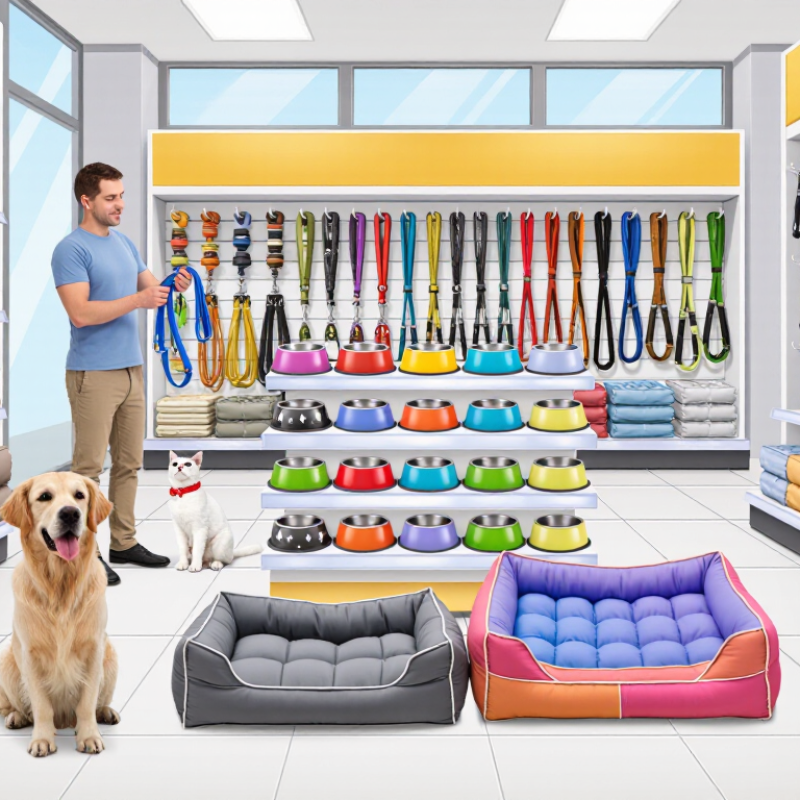
Before choosing pet accessories, clarify how your business will earn trust and revenue. A neighborhood shop may need sturdy leads, washable beds, and clear sizing information customers can inspect in person. An online store may benefit more from lightweight products, accurate photos, and packaging that protects items during delivery. Start with one customer group. A shop serving new puppy owners has different needs from one focused on senior pets or apartment living.
Set product goals that match your model. Decide whether you want repeat purchases, a focused premium selection, or affordable everyday essentials. Then turn those aims into practical checks: target price, expected margin, storage space, supplier reliability, and likely return reasons. For example, test whether a harness range covers common sizes without tying up cash in slow-moving stock. Ask for material details and sample products, and check seams, clasps, and cleaning instructions yourself. Small details matter.
A tidy sales forecast can still miss what customers actually ask for. Review questions, returns, and unsold items after launch, then adjust the assortment. You may find that a popular-looking accessory is awkward to store or difficult to size online. That is useful feedback, not a failure. Keep early orders manageable, document why each product earns shelf space, and revisit those reasons as your customer base grows.
FAQS
Ask shoppers what they struggle to find, then compare their answers with sales and return records. A neighborhood with young dogs may need adjustable harnesses and washable beds.
Not necessarily. Repeated complaints about sizing or cleaning may outweigh strong sales. Not every guess holds.
Group items by pet type, age, and daily use. Keep several sizes available, and note products customers ask about but leave behind.
Check materials, care instructions, dimensions, and fit guidance. These details help staff answer questions and help shoppers choose more confidently.
Include packaging, freight, storage, and likely returns. A bulky bed may also use valuable shelf space.
Start with a modest order of everyday items, such as bowls, leashes, and grooming brushes. Track sales, damage, questions, and repeat purchases for several weeks.
Their notes may reveal concerns that sales numbers miss, such as price or unclear sizing. I sometimes favor attractive products too quickly; that instinct needs checking.
Consider placement, price, and season before dropping an item. Change one variable at a time when possible, and test a small quantity.
Conclusion
Choosing the best Pet Accessories for your business starts with a clear understanding of your business model and goals. Decide whether you plan to serve online shoppers, local customers, or a specific type of pet owner, then identify the animals and customers you want to reach. Their needs, preferences, and spending habits can guide which products are most relevant.
Next, select accessory categories that suit those customers and carefully assess each product’s safety, quality, and practical value. Work with suppliers who communicate reliably and can provide consistent products. Compare costs with expected demand and your business budget, then test a focused assortment before expanding. Customer feedback and sales results can help you refine your selection over time, so your inventory remains useful, appealing, and aligned with your business goals.
