Catnip Infused
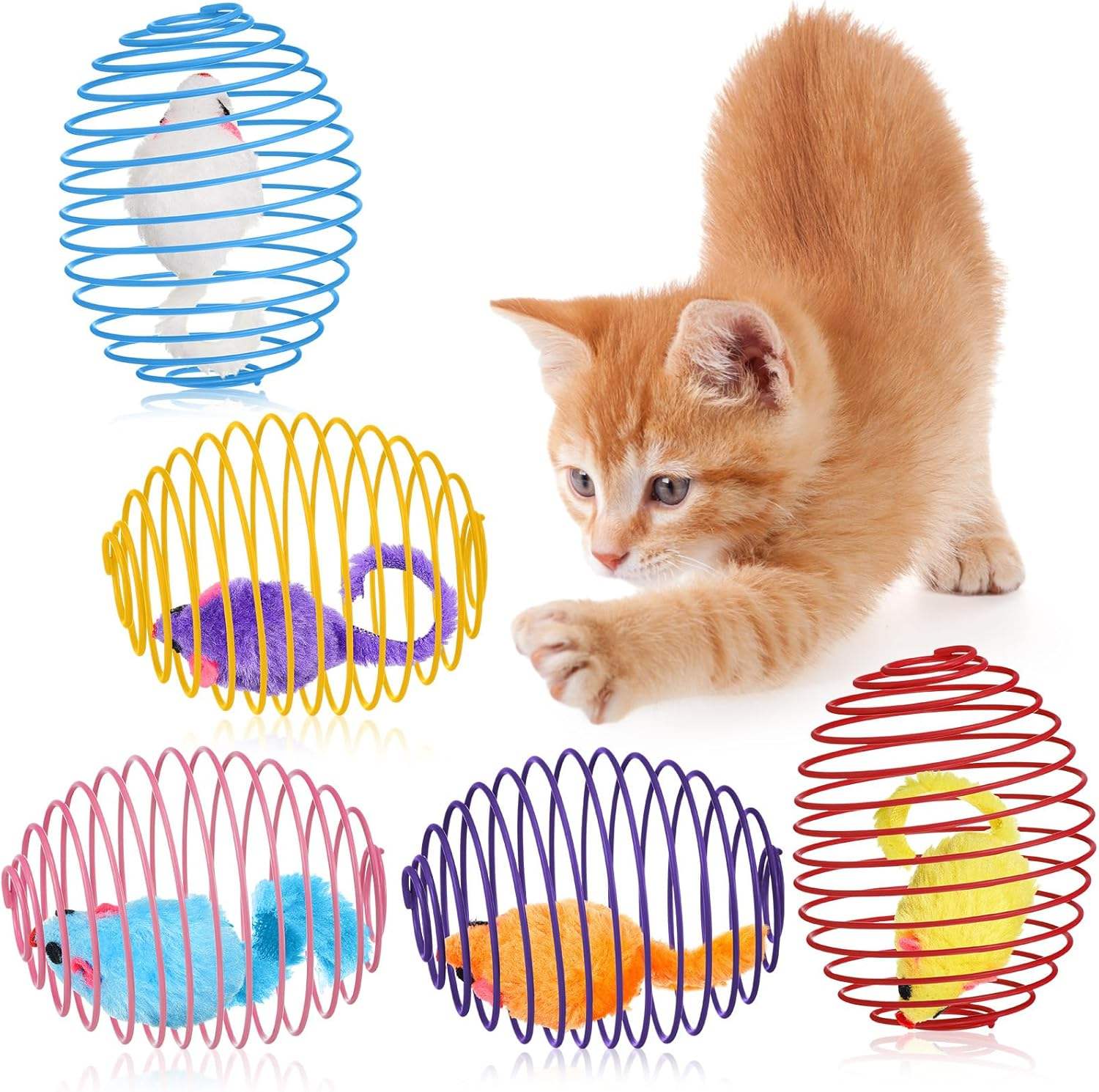
Engineered for high resale velocity, chew resistance, sensory stimulation, and strict compliance with European and North American safety standards.
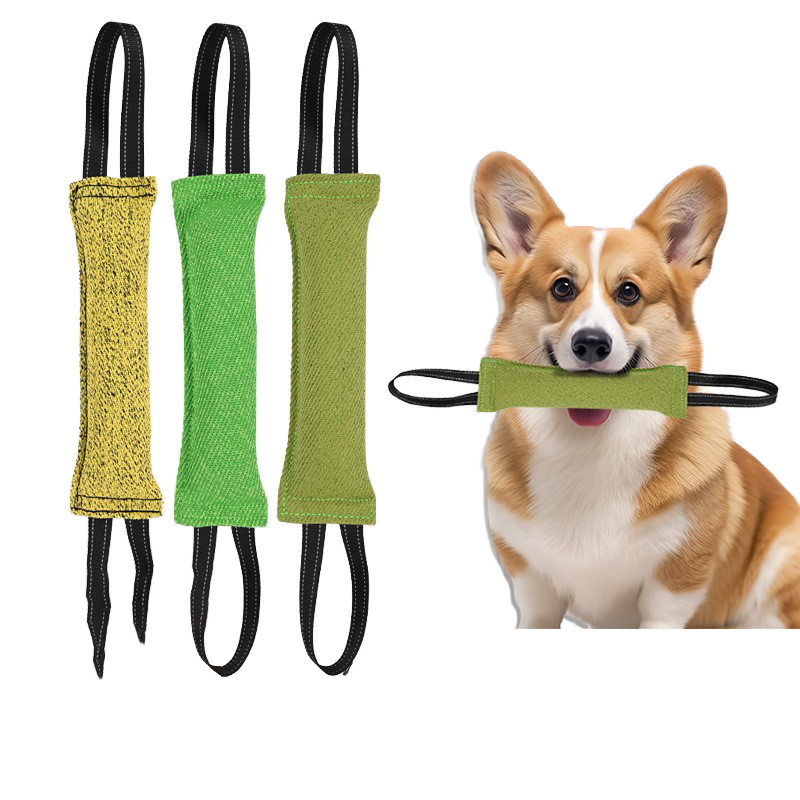
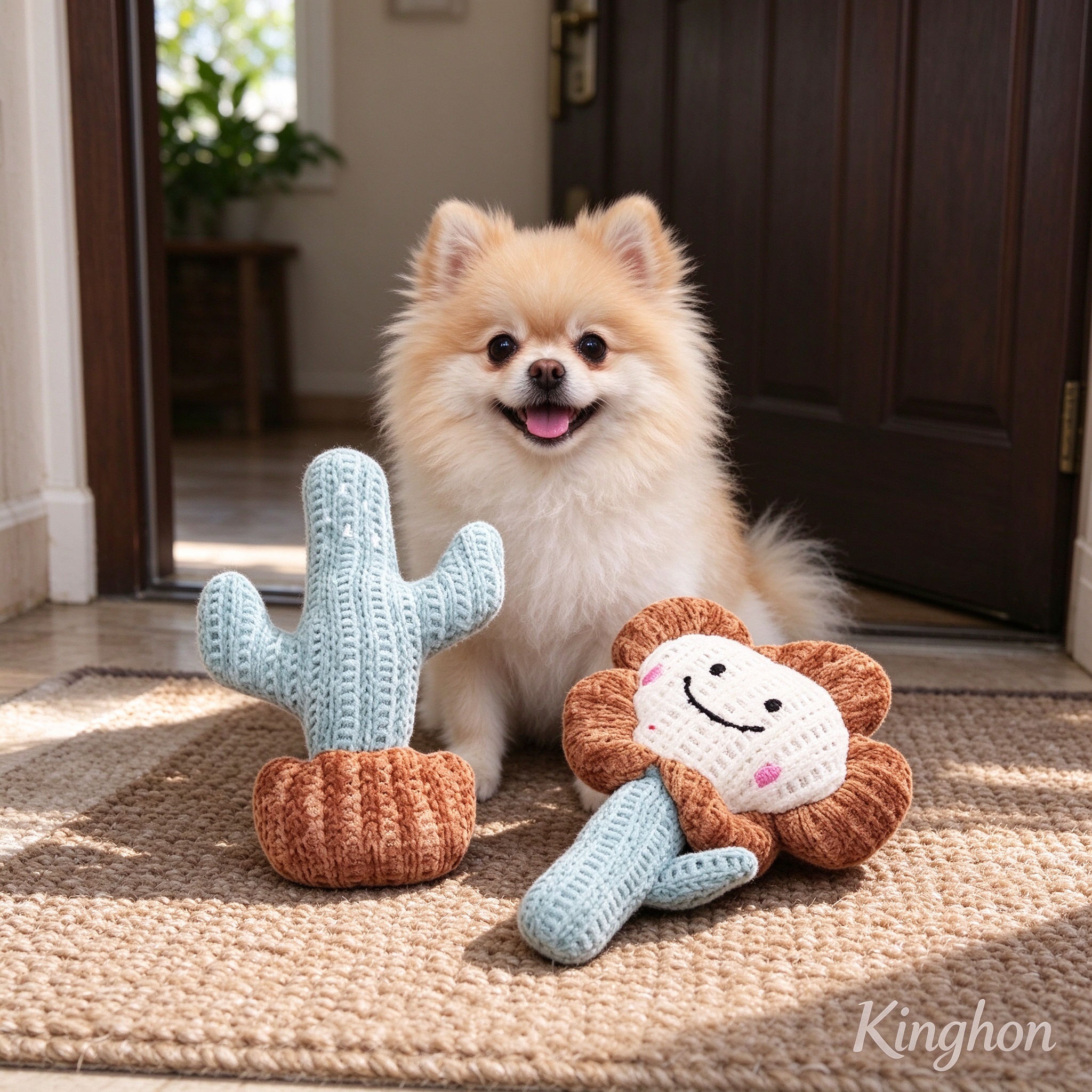
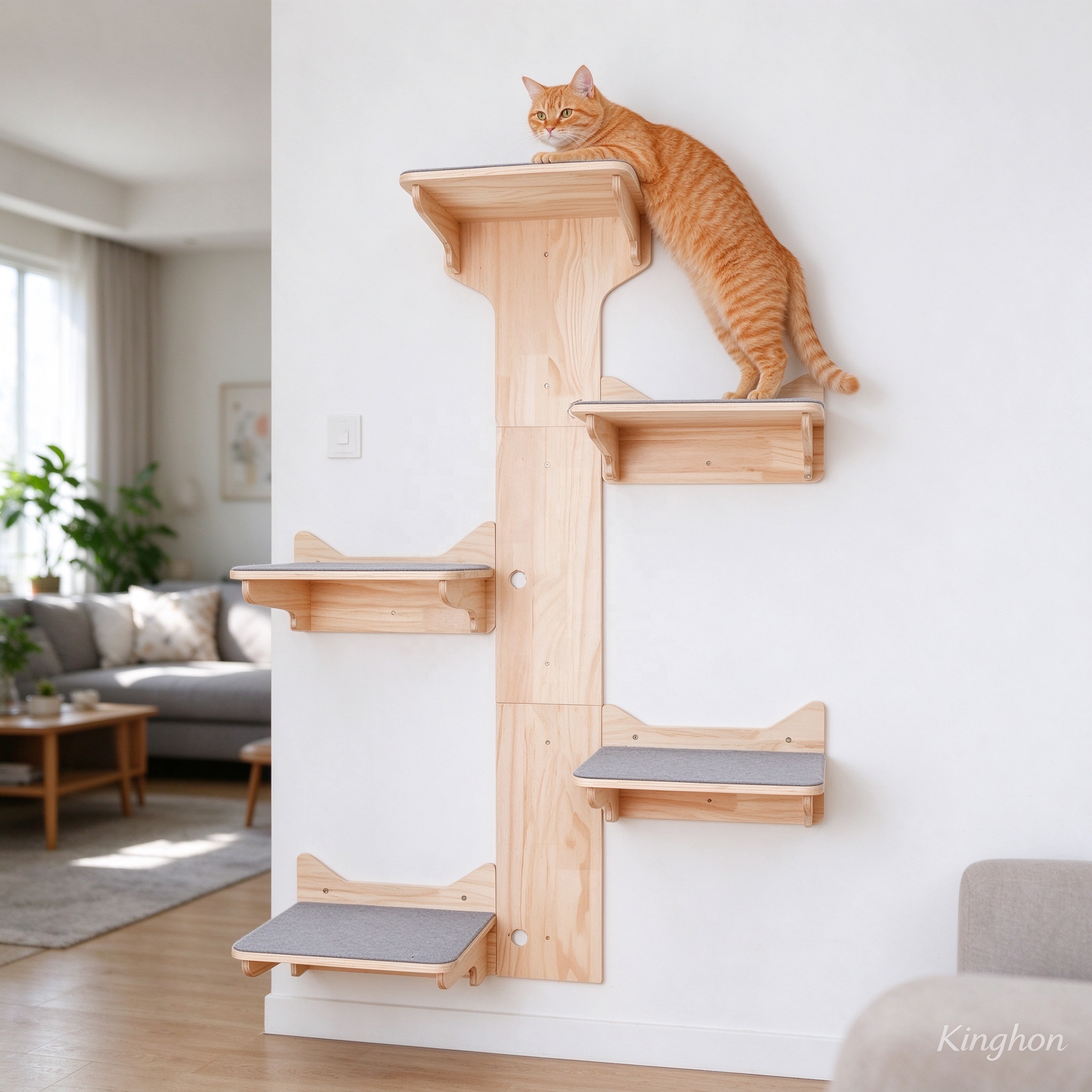
A comprehensive examination of volatile organic compounds, structural shear tests, and non-toxic materials driving compliance in global pet retail markets.
In commercial feline toy production, the biological efficacy of cat toys relies heavily on the terpene nepetalactone found inside Nepeta cataria. As an audited CE certified catnip cat toys manufacturer, Yiwu NEDU Pet Products Co., Ltd. addresses the historical challenge of aromatic dissipation during ocean transit and long-term warehousing. Standard manufacturing methods expose dried catnip to ambient moisture, causing enzymatic breakdown and rapid terpene degradation. Our facility uses low-temperature botanical drying protocols and airtight chamber packing during the assembly phase, preserving volatile oil concentrations above 82% until customer unboxing.
Furthermore, our research and development department incorporates dual-chamber sealed inserts for plush kicker toys and organic matatabi (Silvervine / Actinidia polygama) combinations. Because approximately 33% of domestic felines lack sensitivity to nepetalactone alone, introducing actinidine and dihydroactinidiolide profiles ensures a wider response curve, increasing product sell-through and lowering return rates across European and North American retail distribution networks.
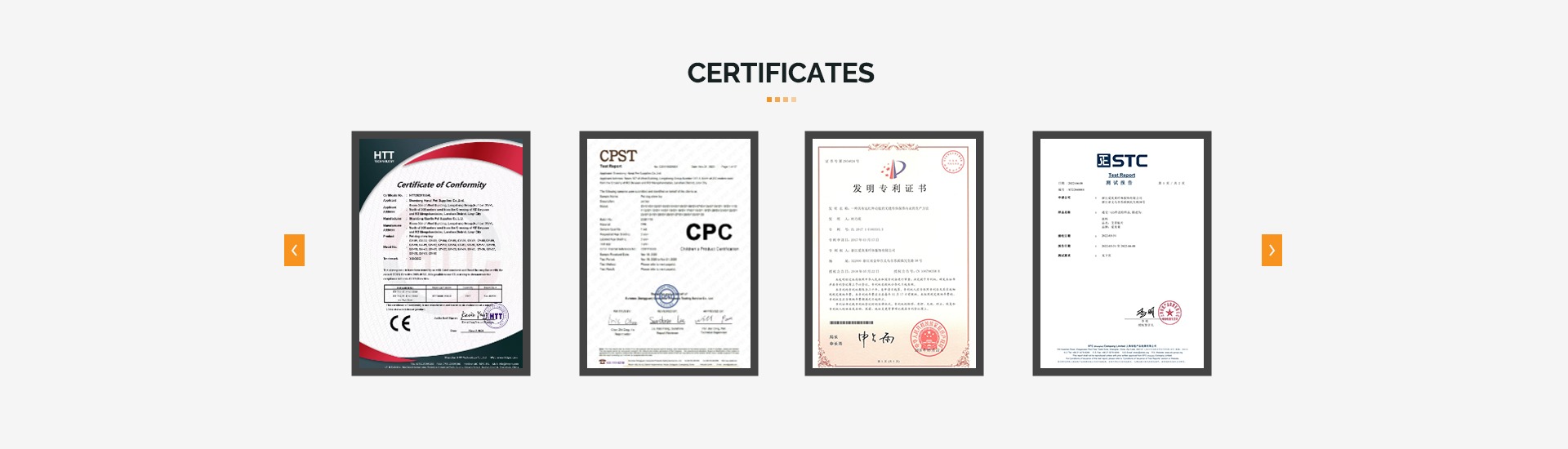
Although pet toys do not always legally require CE certification under European Toy Safety Directive 2009/48/EC unless marketed for dual-use by children, tier-1 supermarket chains and brand importers increasingly mandate compliance with harmonized EN 71 standards. Our certified production line eliminates cross-contamination risks through stringent batch controls:
| Standard Module | Critical Testing Parameters | Manufacturing Engineering Control Applied |
|---|---|---|
| EN 71-1: Mechanical & Physical | Small parts detachment, seam tensile strength (>90N), sharp edges on bells/bells-housings | Reinforced nylon cross-stitching, bar-tacked squeaker compartments, ultrasonically sealed bell cages. |
| EN 71-2: Flammability | Surface flame spread rate of plush textiles, PP-cotton stuffing, and composite felt | Flame-retardant OEKO-TEX standard non-toxic synthetic fibers without toxic halogenated treatments. |
| EN 71-3: Chemical Migration | Heavy metal leachability (Lead, Cadmium, Arsenic, Mercury, Organotin compounds) | Soy-based printing inks, food-contact food-grade silicone, migration testing verified via third-party SGS/Intertek labs. |
| REACH Annex XVII | Phthalate esters (DEHP, DBP, BBP, DIBP), Polycyclic Aromatic Hydrocarbons (PAHs) | 100% virgin natural rubber and platinum-cured silicone resins with verifiable raw material batch lot certificates. |
Canine and feline jaws apply significant shearing forces, particularly during dynamic interactions with squeaker toys or weighted kicker pillows. Our production unit utilizes multi-thread interlocking sewing machines, delivering a minimum stitch density of 9 stitches per inch (SPI). High-stress anchor zones, including ribbon attachments, elastic bungee cords, and feather bases, are fortified with hidden high-tensile polyester internal webbing. This ensures each toy withstands bite and pull loads exceeding 120 Newtons, preventing internal polyfill ingestion and safeguarding brand liability across omnichannel supply operations.
Global retailers are transitioning away from synthetic sprays toward pesticide-free, single-origin catnip certified by USDA Organic and EU Organic regulations, ensuring verifiable purity.
Rising consumer awareness demands toys made from unbleached natural linen, hemp canvas, and post-consumer recycled (RPET) fabrics, combined with biodegradable cornhusk fillers.
Modern product lines combine olfactory stimulation (catnip/silvervine) with erratic kinetic motion, sound triggers, and modular treat-dispensing chambers to combat indoor feline lethargy.
Key economic, logistics, and behavioral dynamics shaping high-margin wholesale purchasing decisions over the next 3-5 years.
With international maritime and air cargo rates fluctuating, dimensional weight (CBM optimization) has become a primary driver of wholesale unit margins. Plush catnip kickers, padded beds, and modular scratching furniture generate substantial dead space when packed in traditional corrugated cartons. Factory-level vacuum compaction processes are now critical. By compressing plush items by up to 65% of their ambient resting volume without compromising internal rebound resilience, wholesale importers can lower per-unit freight overheads by 28% to 42%, unlocking major margin gains on e-commerce platforms like Amazon FBA, Chewy, and Wayfair.
The pet sector's fast transition toward direct-to-consumer e-commerce requires shorter procurement cycles. Rather than placing container-load commitments for single SKUs, buyers now require low-MOQ ready-to-ship foundational stock (1 to 10 pcs) alongside custom private-label runs starting at 100 to 500 units per design. This gives merchandising teams the flexibility to A/B test seasonal colorways, novelty shapes, and holiday-themed lines without accumulating excess warehouse inventory.
| Procurement Vector | Traditional Import Approach | Next-Generation Factory Protocol (NEDU Standard) | Bottom-Line Impact |
|---|---|---|---|
| MOQ Flexibility | 1,000 - 3,000 pcs per individual SKU | 100 - 500 pcs for custom OEM; 1 - 10 pcs for in-stock catalog | Reduces working capital lockup by 60% |
| Consolidation Capabilities | Single-factory single-container loadout | Multi-category consolidation across beds, toys, trees, and walking gear | Cuts ocean LCL handling fees and clearance tariffs |
| Compliance Documentation | Generic factory self-declarations | Full third-party lab testing reports (SGS/Intertek) for REACH, CE, LFGB | Avoids customs seizures and retailer suspension risks |
| Packaging Optimization | Bulky standard master cartons | In-line high-pressure vacuum compression and ISTA-3A drop test verification | Maximizes container loading efficiency by up to 40% |
A unified manufacturing and sourcing ecosystem based in China’s international logistics epicenter, built to de-risk overseas procurement.
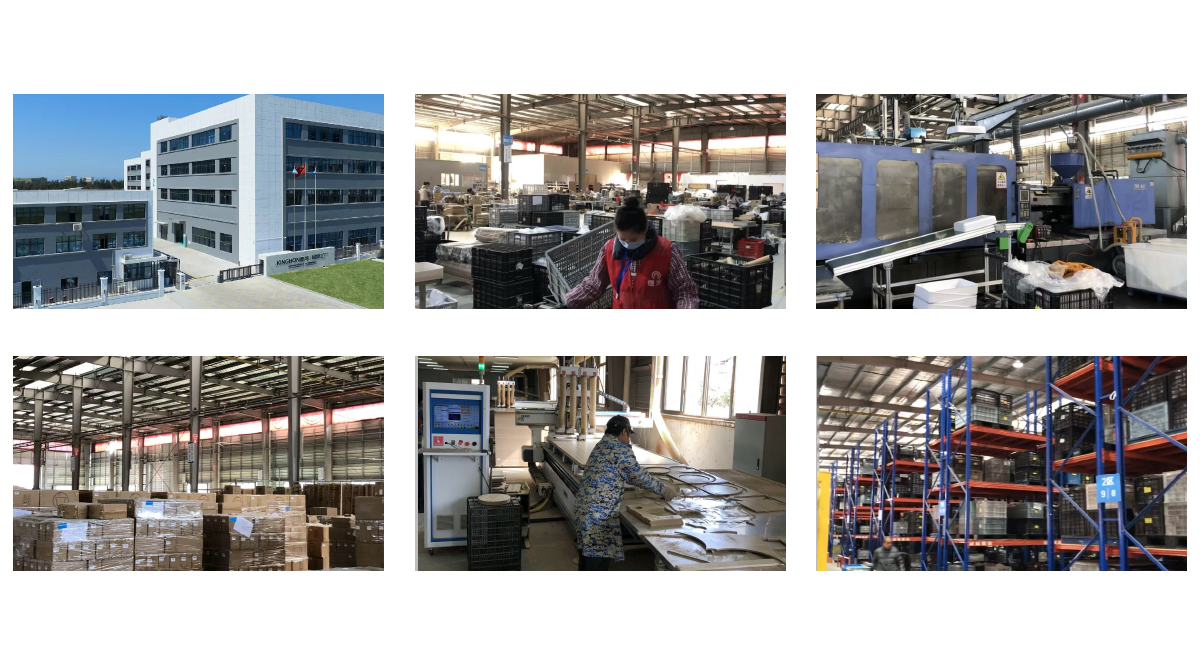
Situated in the heart of the world's premier small-commodity market, delivering real-time raw material sourcing, swift fabric customisation, and direct port connectivity to Ningbo and Shanghai.
Standardized pre-production material audits, automated in-line stitching stress checks, and rigorous final AQL 2.5 random batch inspections before shipping containers are sealed.
Private warehousing infrastructure allows multi-factory batch consolidation, custom repacking, palletization, and dedicated multilingual export agents to streamline factory visits.
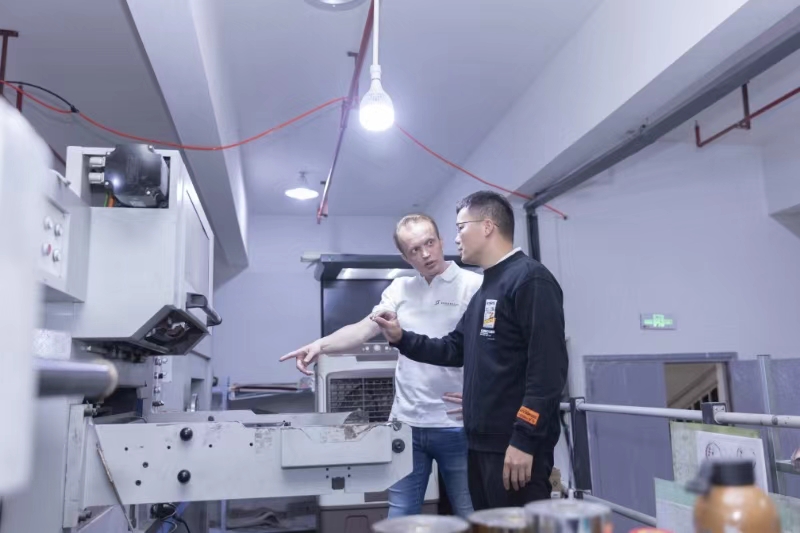
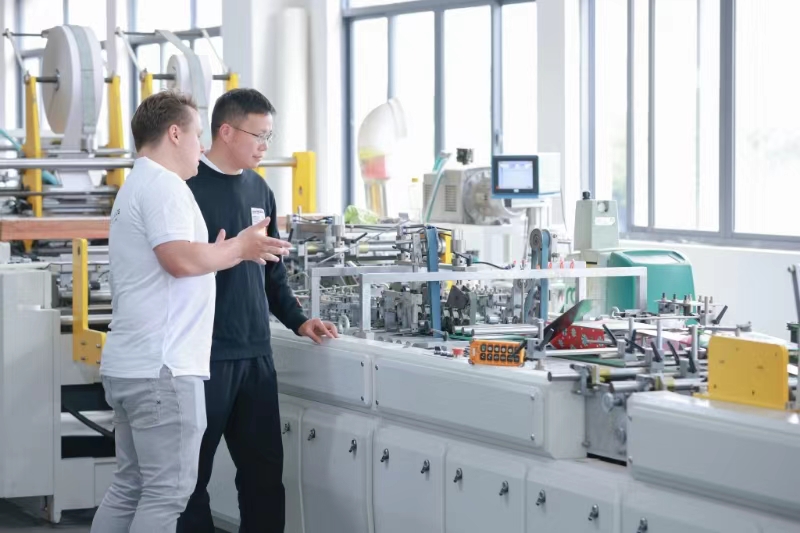
Dedicated international project managers ensure an average quotation and technical feedback turnaround time of under 5 hours, accelerating your time-to-market.
Straightforward answers addressing supply chain risks, laboratory certifications, artwork formatting, and logistics execution.
Our catnip plush toys and rubber components comply with EN 71 parts 1, 2, and 3, and align with REACH Annex XVII regulations regarding phthalates and AZO colorants. Certified laboratory reports issued by SGS, TÜV, or Intertek can be provided for your specific production batch upon request.
We source 100% naturally harvested, sun-dried organic catnip buds and pack them inside sealed barrier inner pouches or airtight master cartons. This moisture-impermeable lining prevents terpene oxidation, mold formation, and volatile dissipation during standard 25–45 day ocean freight journeys.
We offer silk-screen printing, precision embroidery, high-density woven damask tags, customized retail hang-tags, and four-color printed boxes. For off-the-shelf catalog products, MOQ is just 1 to 10 pieces; customized private label production runs typically start between 100 and 500 units per design.
Yes. Based in Yiwu, we run a dedicated warehousing and consolidation operation. You can combine pet beds, scratchers, dog training gear, catnip toys, and stainless steel bowls from different workshops into a single unified bill of lading (FCL), drastically cutting port processing costs and simplifying customs clearance.
Standard catalog samples are dispatched within 24 to 48 hours. Custom prototype samples engineered to your specific tech-pack take approximately 5 to 7 working days. Once the pre-production sample is approved, bulk container runs are completed within 25 to 35 calendar days.
Yes. We regularly handle direct Amazon FBA and big-box marketplace logistics. Our dispatch team handles FNSKU item labeling, suffocation warning polybags, box carton labels, and pallet prep following international carrier guidelines.
Whether you require rapid-dispatch in-stock inventory or a ground-up custom OEM/ODM program backed by rigorous CE certification, our bilingual engineering team is here to assist.
Send an Inquiry