High-Velocity Wholesale Pet Toys & Interactive Training Gear
Engineered for global retail distributors, supermarket pet aisles, and e-commerce private brands. Fully compliant with European and North American consumer product safety directives.
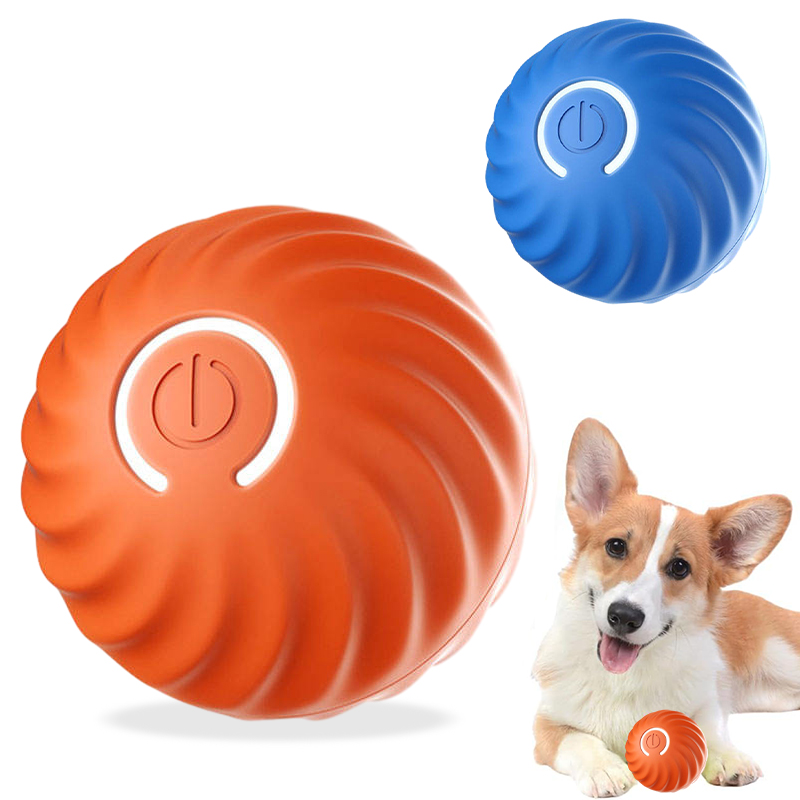
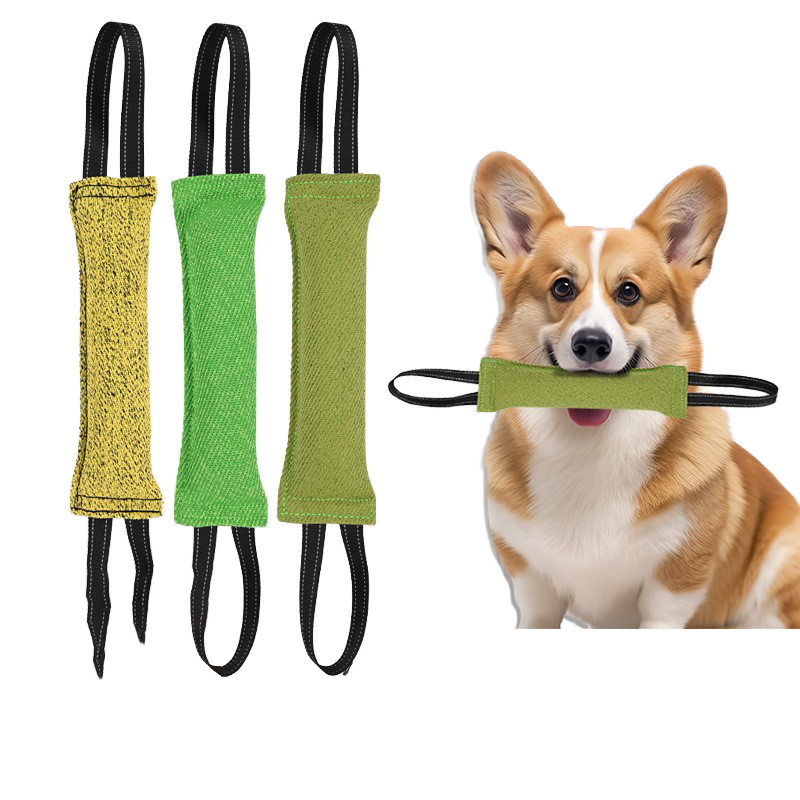
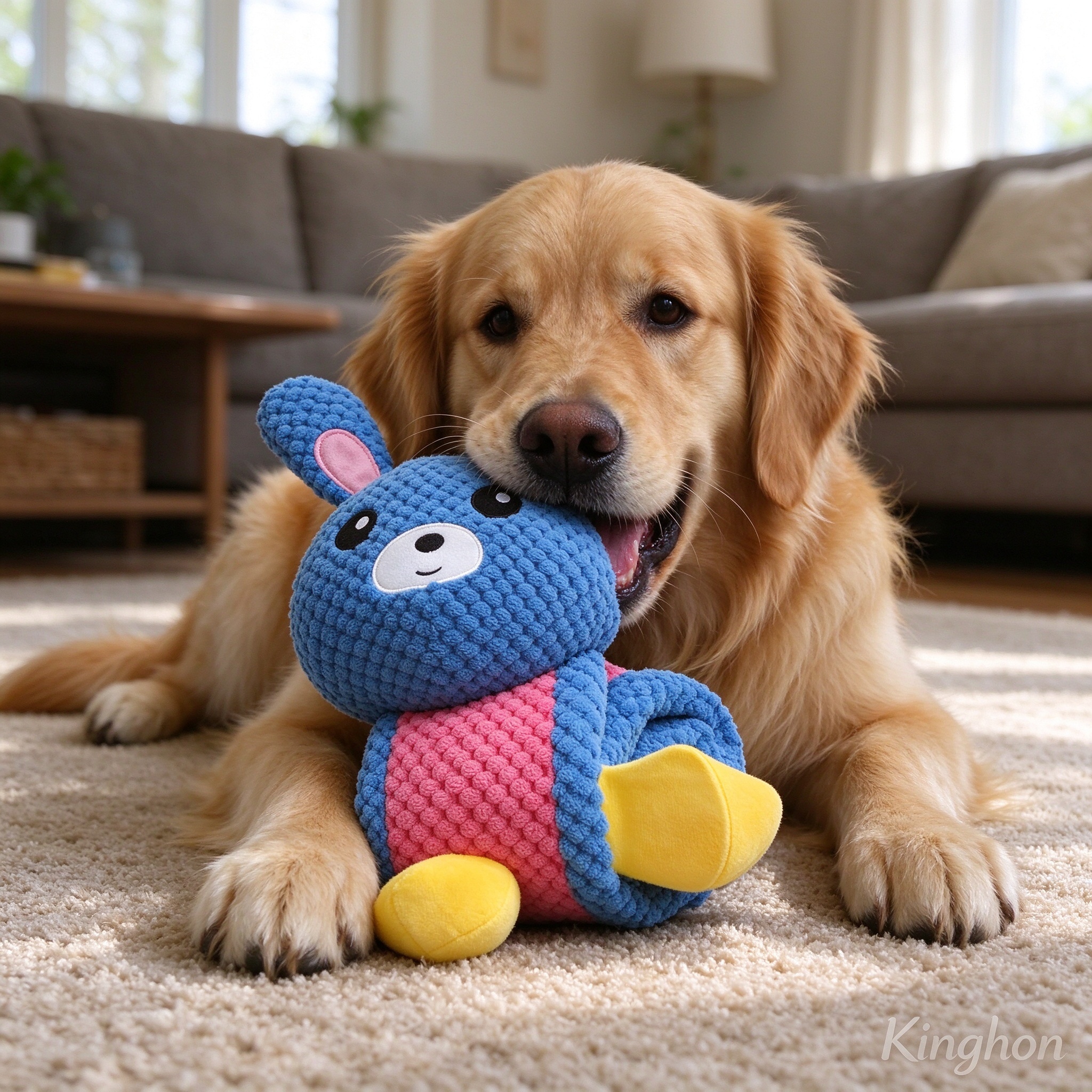
Why Medical-Grade Thermoplastic Rubber (TPR) Defines Modern Chew Toy Safety
In canine toy manufacturing, raw polymer selection directly governs tear resistance, dental abrasion safety, and regulatory compliance. Our factory synthesizes cross-linked polymer elastomers that solve the toxic degradation associated with vulcanized rubber and plasticized PVC.
Shore A Hardness Calibration
Canine dentition exerts puncturing forces exceeding 450 to 800 PSI depending on breed morphology. We formulate TPR compound granules spanning from 35 Shore A (ultra-pliable teething toys for juvenile puppies) up to 75 Shore A (dense structural cores for high-drive masticators), preventing premature structural failure without causing premolar micro-fractures.
Zero Phthalate Plasticization
Unlike PVC play items which require toxic ortho-phthalates (such as DEHP, DBP, and BBP) for elasticity, our raw TPR uses block copolymers of polystyrene and polybutadiene (SBS/SEBS). The material maintains intrinsic elastic recovery without migrating chemical plasticizers, meeting stringent EU REACH Annex XVII standards.
Thermal Ductility & Injection Purity
Manufactured under ISO 9001 precision tooling at injection barrel temperatures of 170°C–210°C. Zero chemical blowing agents or hazardous curing accelerants are introduced. Our in-mold chilling loops reduce internal shrinkage, generating seamless, flash-free surfaces that resist bacteria harboring in saliva grooves.
Comparative Engineering Matrix: TPR vs. Alternative Toy Substrates
Direct B2B buyers must balance chew survivability, landed unit cost, European safety certifications, and shelf-appeal. Here is how injection-molded TPR measures against legacy polymers.
| Performance Dimension | Food-Contact Virgin TPR | Vulcanized Natural Rubber | Plasticized PVC Vinyl | Expanded TPU (ETPU) |
|---|---|---|---|---|
| CE & EN71-3 Compliance | Exceeds all heavy metal migration limits | Requires nitrosamine monitoring | Fails REACH phthalate restrictions | Fully compliant, premium grade |
| Tear & Tensile Strength | High elongation (600% break point) | High elastic return; prone to drying | Brittle upon puncture; tears rapidly | Ultra-high molecular rebound |
| Bite Surface Resilience | Punctures re-seal slightly; no sharp shards | Gouges create ingestible chunks | Cracks generate sharp lacerating edges | Extreme micro-cellular durability |
| Manufacturing Recyclability | 100% thermoplastic recyclable regrind | Thermoset; zero production melt-regrind | Non-recyclable toxic footprint | Thermally recyclable polymer foam |
| Unit Cost Economics | Optimal balance for high-margin retail | Higher tooling & curing energy costs | Lowest cost; extreme recall risk | Higher material raw cost index |
| Custom Color Fidelity | Translucent base allows exact Pantone shades | Limited color saturation; prone to yellowing | Easy coloration with high degradation | Solid white or embedded pearlescent |
Next-Generation Procurement & Development Trends in Pet Chews
Global pet specialty retailers and hypermarket chains are re-evaluating supply pipelines. Category managers must monitor these three structural consumer shifts shaping canine play accessories through 2026 and beyond.
Multi-Material Hybrid Integration
Mono-material play products face diminishing returns on retail shelves. The rapid growth sector belongs to co-molded hybrid designs—such as rigid, wear-resistant high-impact nylon skeletal cores wrapped in tactile, dental-massaging TPR skins. This dual-density architecture gives dogs satisfying audible resistance while buffering canine incisors against traumatic micro-impact.
Bio-Based Polymers & Circularity
European and American regulatory bodies are aggressively monitoring the lifecycle footprint of pet goods. Importers are transitioning from petroleum-exclusive polyolefins toward bio-derived TPR formulations containing up to 30% renewable starches, natural plant fibers, or recycled post-industrial elastomers that maintain compliance with LFGB and European Toy Directives.
Enrichment & Slow-Feeding Integration
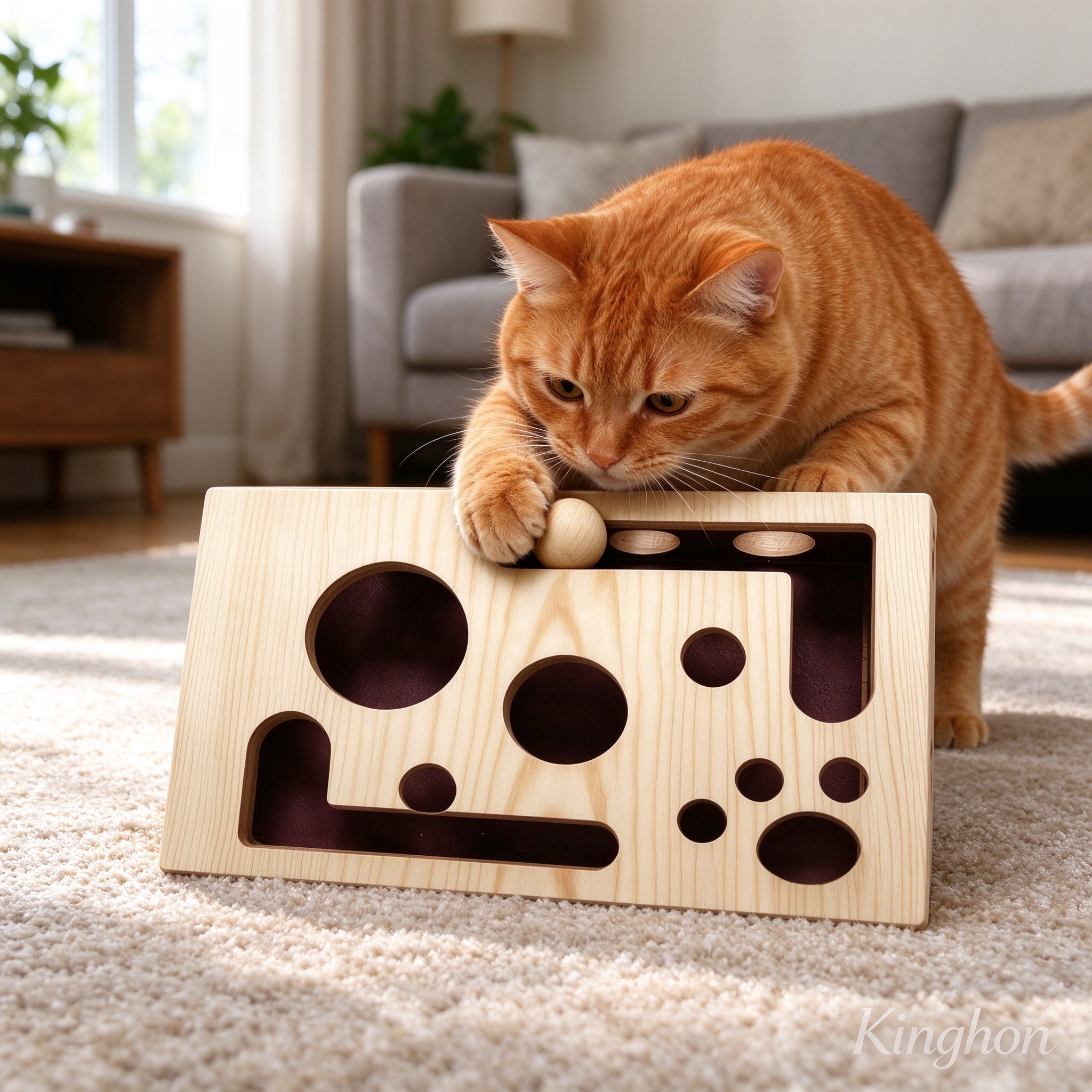
Boredom mitigation and separation anxiety reduction are primary search triggers for pet parents. Pure fetch toys are losing share to complex, food-dispensing maze balls, grooved dental sticks engineered to lock in pet toothpaste, and textured rolling chew devices that convert mealtime into mentally stimulating enrichment sessions.
An Integrated Manufacturing & Global Sourcing Powerhouse
Combining internal specialized injection workshops with Yiwu's unmatched supply chain consolidation infrastructure. We provide overseas pet brands, supermarket vendors, and digital enterprise merchants with verified manufacturing reliability and end-to-end export administration.
10+ Years Export Experience
Deep familiarity with international trade logistics, customs harmonization codes, and mandatory pet category testing protocols across 45+ consumer nations.
On-Site Verified Facility
Audited workshop environments with 51–100 production specialists, automated injection clusters, cleanroom packing lines, and standardized pre-shipment drop-testing.
Turnkey Sourcing & Consolidation
Consolidate custom TPR chews with plush toys, cat scratchers, memory beds, and nylon harnesses in our private Yiwu transit warehouse to slash overseas container costs.
Rapid OEM/ODM Tooling
In-house 3D CAD modeling, 48-hour functional rapid prototypes, precision CNC mold fabrication, and custom Pantone masterbatch color blending.
Frequently Asked Questions for Importers & Wholesalers
Essential guidance addressing compliance documentation, production tooling, quality gates, and cross-border logistics when sourcing custom TPR canine products.
Accelerate Your Pet Brand with CE-Certified TPR Engineering
Connect with our technical engineering and international export desk. Inquire now for wholesale price matrices, free physical material samples, laboratory test certificates, or custom mold quotations. Average response time is under 5 hours.
Inquire Now