Featured Commercial Cat Dining & Pet Enrichment Suites
Engineered at our export facility, these 8 flagship SKUs complement high-demand feline bowls with interactive puzzle feeders, hygienic accessories, and ergonomic recovery rest pads designed for optimal retail sell-through across Eastern European consumer channels.
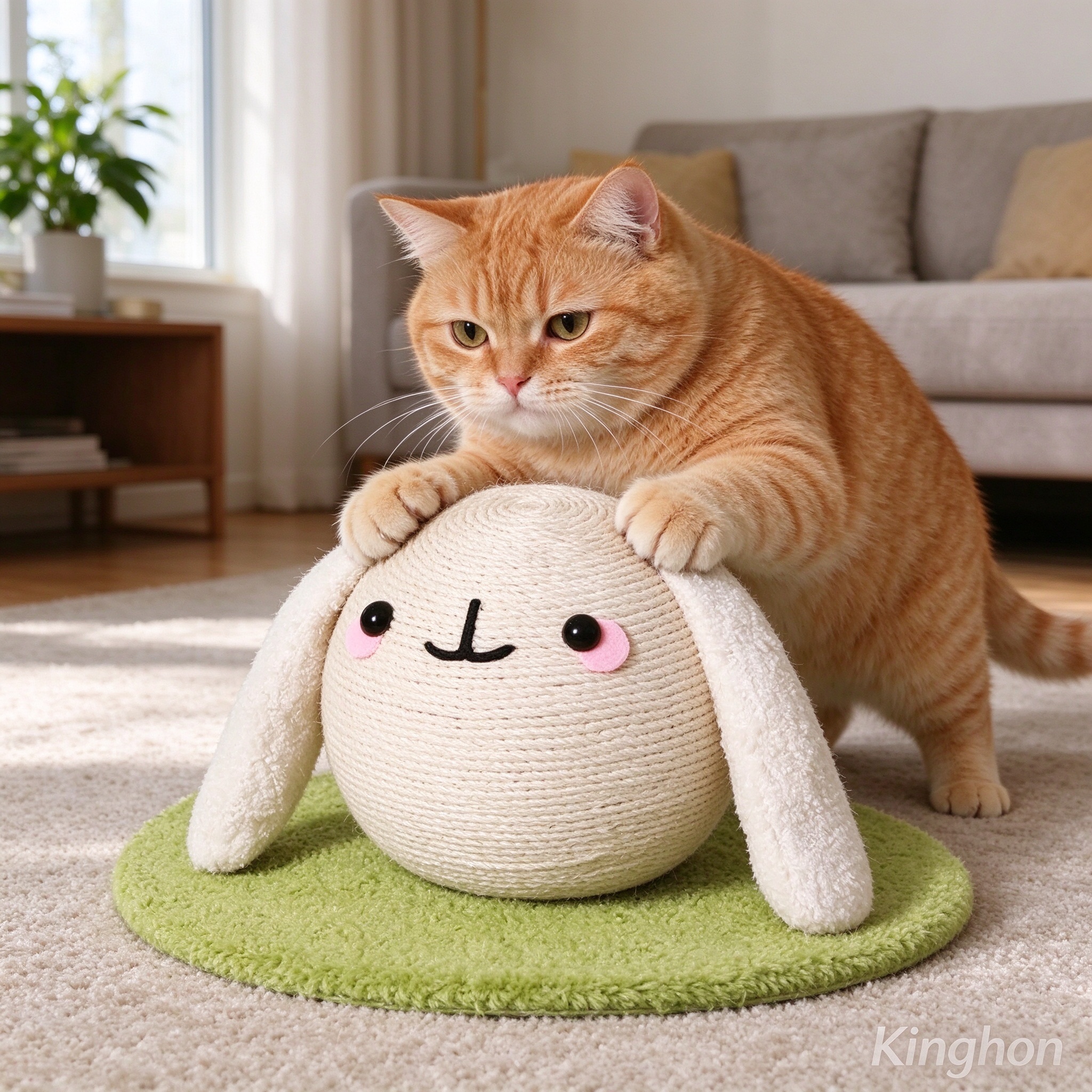
Kinghon Rabbit Style Cat Scratching Ball Plush Cat Toy Indoor Pet Play Ball
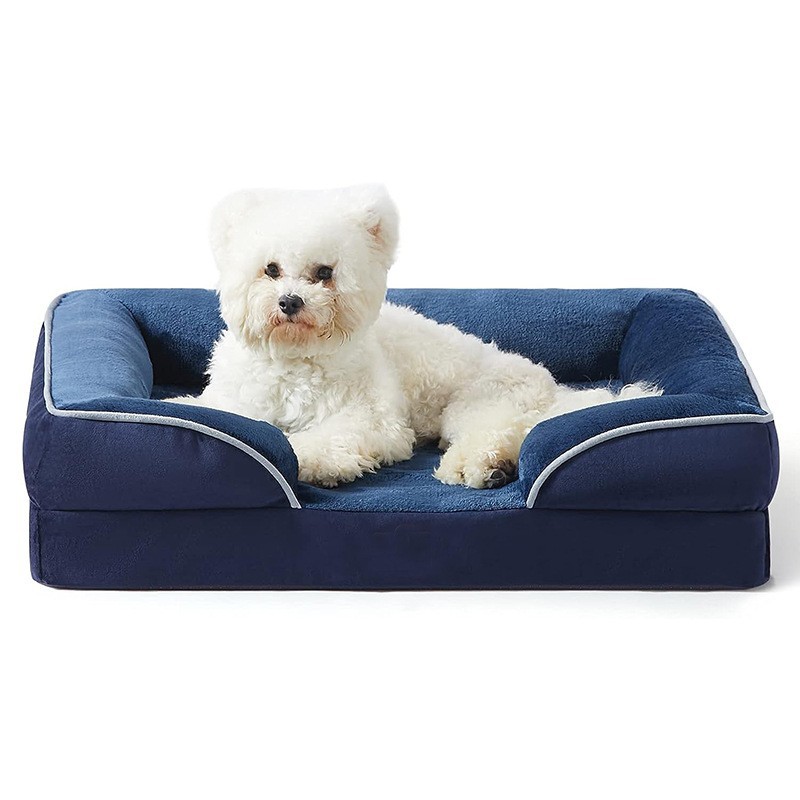
Waterproof Dog Bed Removable Washable Velvet Pet Sofa Foam Cushion Custom Logo
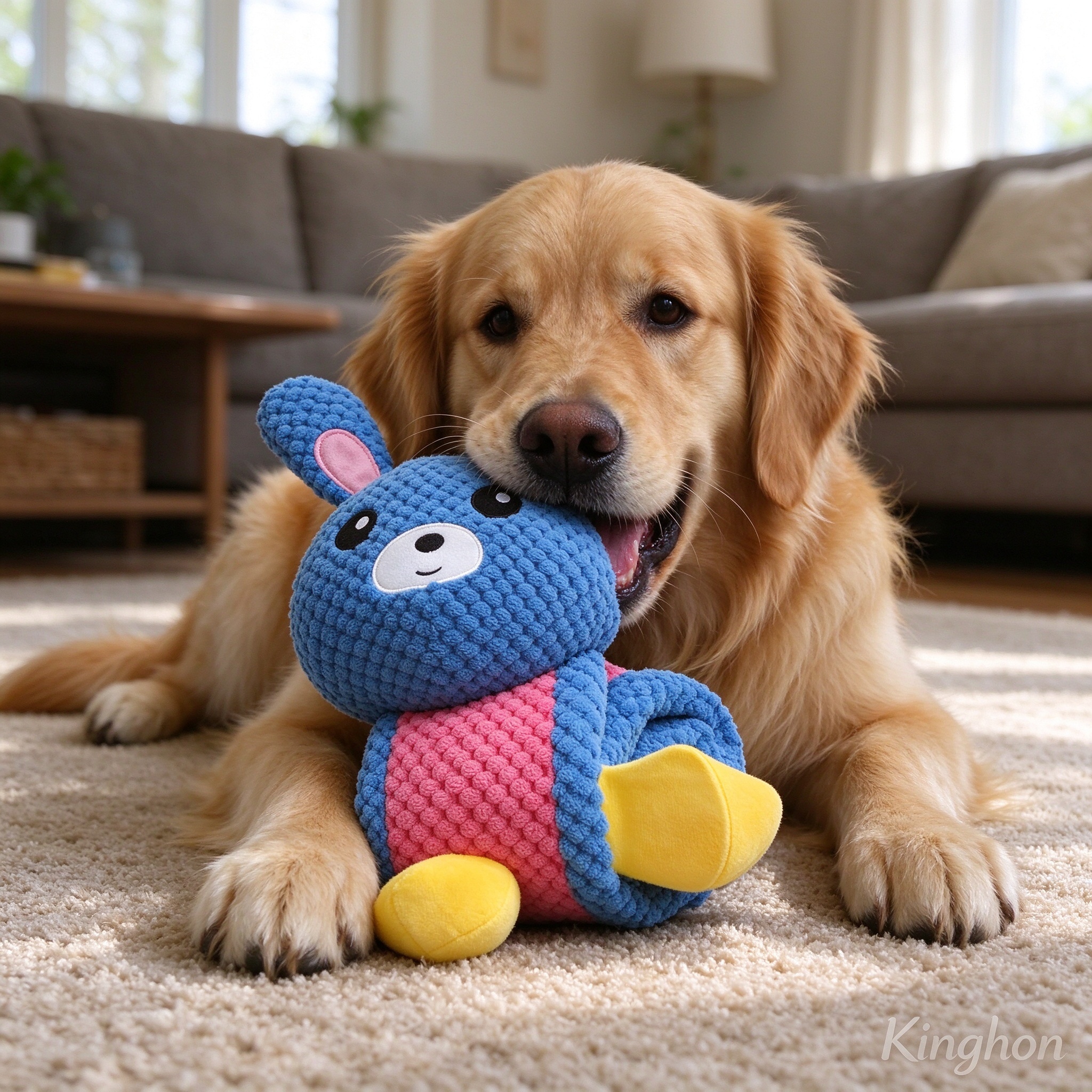
Kinghon Durable Cartoon Eco-Friendly Blue Rabbit Squeaky Dog Puzzle Toy Interactive Tug Treat Dispenser Plush
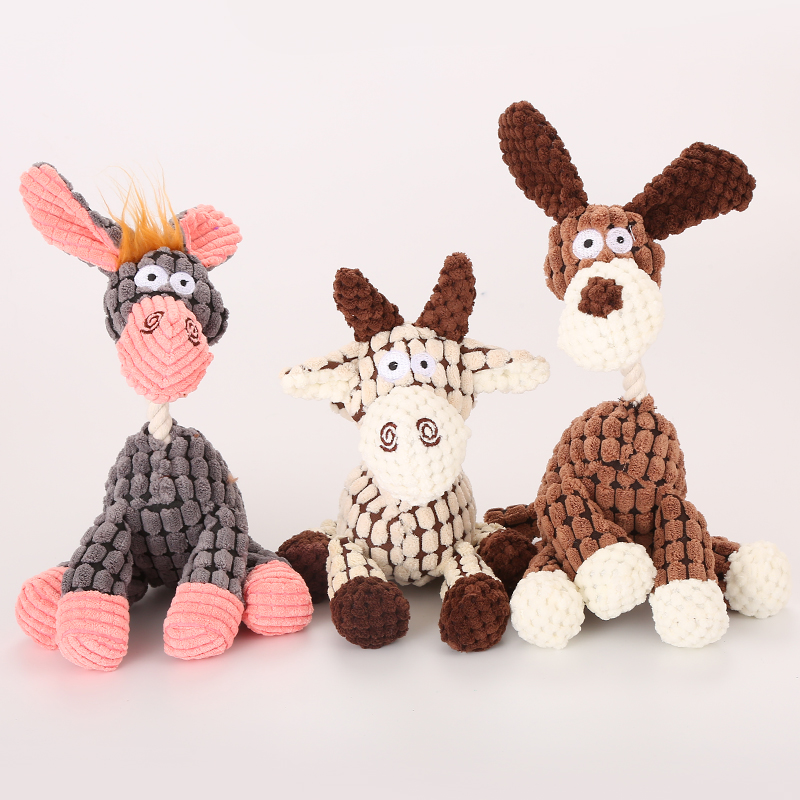
Interactive Plush Dog Chew Toy Cotton Rope Animal Design Teeth Cleaning Training Play Indoor Outdoor
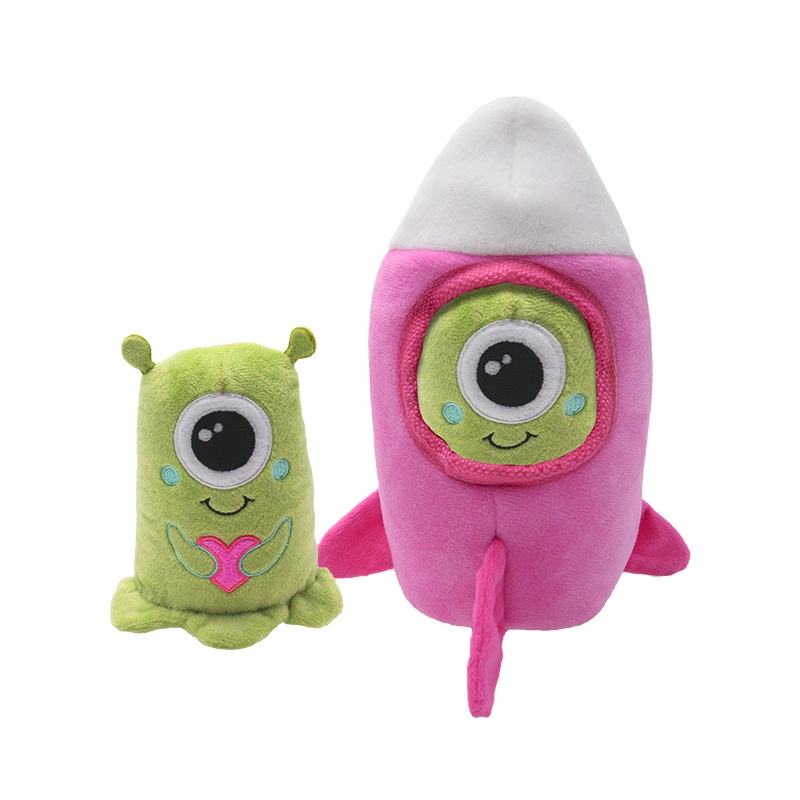
For Classic Eco-Friendly Custom Alien Series Funny Hundespielzeug Soft Stuffed Plush Squeaky Dog Toy
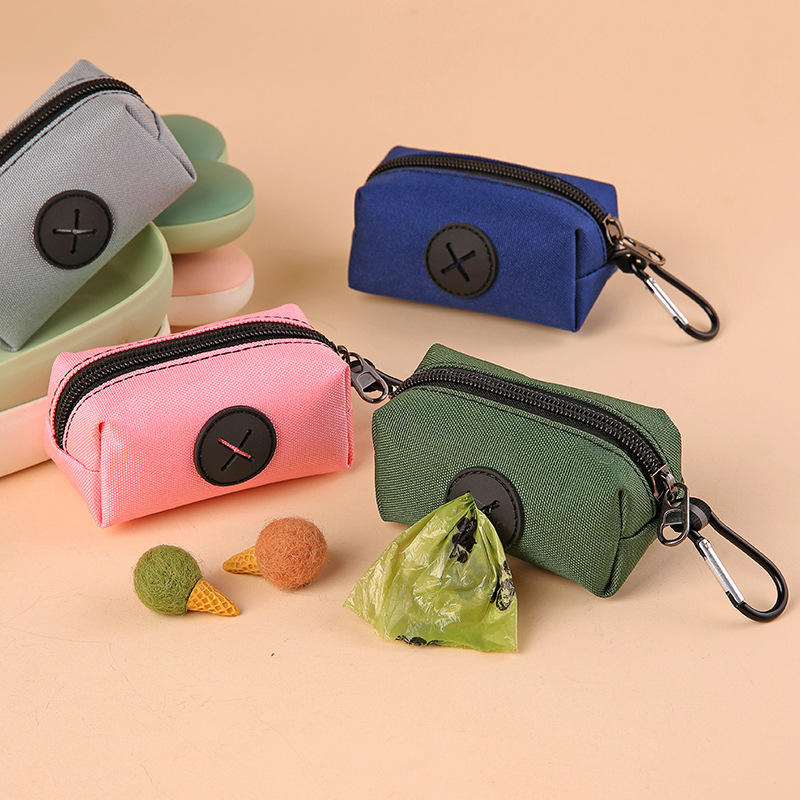
Outdoor Toilet Bag Pet Garbage Bag Storage Bag Custom Biodegradable Dog Poop Bag Dispenser
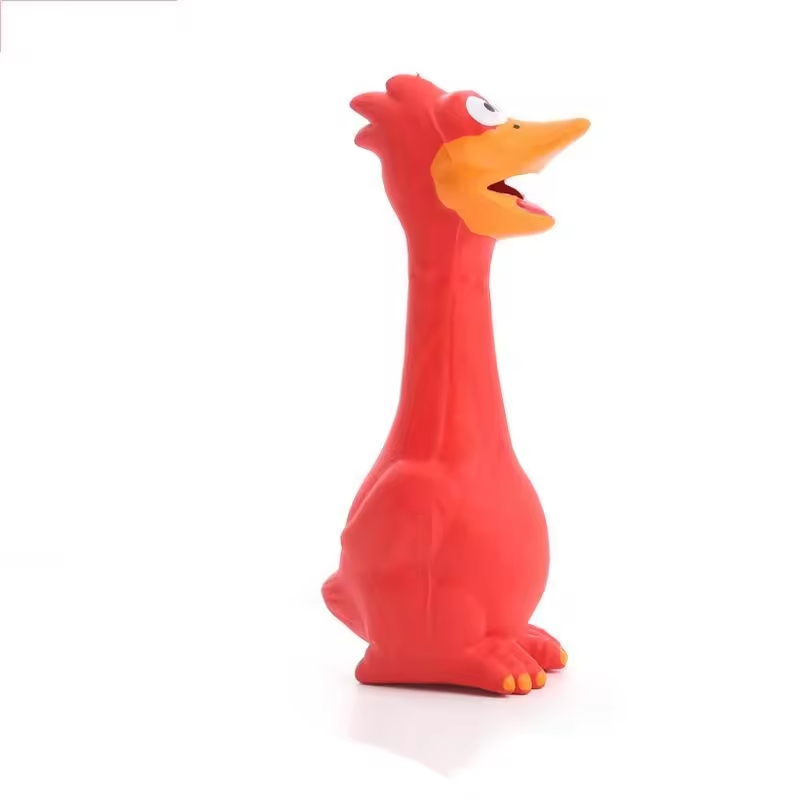
Red Latex Squeaky Chicken Dog Chew Toy Rubber Pet Plaything 20 x 6cm Outdoor
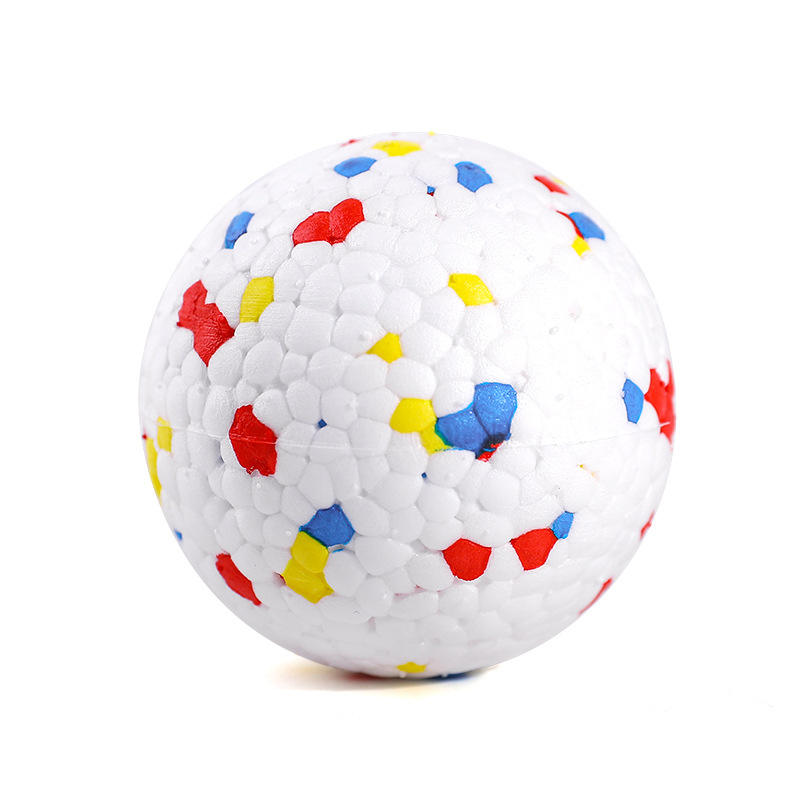
Kinghon OEM Interactive Pet Toy Magic Rolling Dog Ball Slow Feeder Chew Made of Foam ETPU Treat Dispenser Toy for Cats
Engineering Ergonomic Cat Feeding Systems for the Moldovan Market
Analyzing anatomical feline welfare, domestic apartment housing typologies across Chișinău, supply chain logistics via Black Sea trade corridors, and ANSA chemical hygiene compliance.
Whisker Fatigue Mitigation (Vibrissal Stress)
Feline whiskers (vibrissae) are embedded with thousands of sensitive tactile receptors linked directly to the trigeminal nervous system. Standard high-rim plastic containers compress these sensory pods during eating, inducing mealtime aversion, erratic kibble scattering, and stress-related anorexia. Our factory tools wide-contour, shallow-depth parabolic bowls (depth ≤ 2.8cm, diameter ≥ 14.5cm) allowing stress-free feeding favored by veterinary practitioners throughout Eastern Europe.
15-Degree Biomechanical Cervical Tilt
Traditional floor-level bowls force felines into a crouched, downward neck posture that restricts the esophageal canal and compresses the stomach against the diaphragm, prompting postprandial regurgitation. Our engineered elevated stands raise the feeding plane by 7.5cm–10cm with a fixed 15° incline. This creates a natural linear alignment from oral cavity to esophagus, significantly improving digestion for senior cats, Persians, British Shorthairs, and Scottish Folds prevalent in Moldovan households.
SUS304 Sanitary Passivated Metallurgy
Inferior grade plastics harbor microscopic fissures where feline saliva, fats, and residual water cultivate bacterial biofilms (e.g., *Staphylococcus aureus*), manifesting as refractory feline chin acne (comedones). We deploy food-contact grade SUS304 austenitic stainless steel passivated against oxidation, along with vitrified porcelain glazed at 1280°C. Non-porous surfaces ensure complete sanitization through standard 65°C dishwasher cycles common in modern urban residences.
Localized Application Scenarios in Moldova
The Republic of Moldova represents an evolving and resilient pet accessories consumer landscape characterized by a pronounced demographic shift toward pet humanization. In metropolitan clusters such as Chișinău (spanning Centru, Rîșcani, Botanica, and Buiucani) and Bălți, compact multi-family apartment dwellings predominate. Urban feline guardians in these compact living quarters require space-efficient, anti-spill feeding stations equipped with weighted, non-skid thermoplastic elastomer (TPE) ring bases that prevent the bowl from skidding across parquet and laminate surfaces.
Furthermore, Moldova experiences a continental temperate climate featuring rigorous, freezing winters (-5°C to -15°C) and dry, warm summers exceeding 30°C. In transitional suburban areas (Orhei, Cahul, Ungheni), indoor-outdoor feeding setups demand high thermal inertia materials. Thin polymer bowls easily warp or crack under frost conditions, whereas our dual-wall insulated stainless steel and heavy ceramic bowls sustain structural stability, preventing freeze-bonding of wet canned cat food during colder months while keeping drinking water fresh and chilled throughout hot summer heatwaves.
| Material Engineering Grade | Biofilm & Chin Acne Risk | Dishwasher & Thermal Resistance | Weight & Floor Stability | Moldovan Retail Price-Point Fit |
|---|---|---|---|---|
| Austenitic SUS304 Stainless Steel | Zero Microbial Retention | Extremely High (-40°C to 300°C) | Lightweight (Requires Weighted TPE Base) | Mass Retail, Supermarket Chains, Volume Pet Depots |
| High-Fired Vitrified Ceramic (1280°C) | Zero Micro-Pores | High (Dishwasher / Microwave Safe) | Heavy (Self-stabilizing, Anti-tipping) | Boutique Pet Shops, Lifestyle Pet Stores, Veterinary Clinics |
| Eco-Friendly Bamboo Fiber Composite | Low to Moderate | Medium (Max 70°C, No Microwave) | Balanced Density (Bio-degradable aesthetic) | Eco-conscious Urban Consumers, Green Concept Stores |
| Standard Polypropylene Plastic (Competitor) | High (Scratch prone, harbors bacteria) | Poor (Prone to heat warping, odor leaching) | Ultra-light (Easily kicked and tipped over) | Discount Bazaars, Low-margin Open Markets (Declining) |
Macro Trends Shaping Pet Hardware Sourcing across the Republic of Moldova
1. Convergence with European Union Standards (DCFTA Harmonization): Following the Deep and Comprehensive Free Trade Area (DCFTA) implementation, Moldovan consumer protection and veterinary authorities (ANSA - Agenția Națională pentru Siguranța Alimentelor) are aligning regulatory benchmarks with EU Regulation (EC) No 1935/2004 regarding food contact materials. Importers must pivot away from unregulated suppliers whose plastics leach phthalates, BPA, and cadmium. Our export lines carry accredited testing declarations (SGS, Intertek, TÜV), allowing seamless clearance at border customs stations such as Leușeni-Albița and Giurgiulești.
2. Professionalization of Specialized Pet Retailing: The Moldovan pet trade has transitioned from unstructured outdoor open markets to organized retail networks, pet supermarket chains (such as ZooPlus, Master Zoo franchises, and specialized veterinary dispensaries), and burgeoning direct-to-consumer e-commerce portals. Commercial buyers now prioritize cohesive retail shelf packaging (EAN-13 barcodes, Romanian and Russian dual-language descriptive labeling, compact color boxes) that accelerate stock velocity and justify premium margins.
3. Functional Upgrading from Basic Plates to Multi-Stage Slow Feeders: As feline indoor confinement increases in major cities, domestic boredom and rapid kibble gorging have caused feline digestive issues. B2B order records show a 42% year-over-year surge in demand for labyrinth-style slow feeding bowls and modular puzzle feeders. Feline owners increasingly purchase dual-dish platforms that pair dry food portioning with automated siphon water fountains or high-capacity stainless hydration reservoirs.
Why Moldovan B2B Buyers Partner with NEDU Pets
Combining self-owned injection molding and metal spinning facilities with Yiwu’s world-renowned supply chain ecosystem to mitigate cross-border procurement vulnerabilities.
We run dedicated tooling workshops while operating an integrated export sourcing desk in Yiwu. Moldovan importers can aggregate cat bowls, sisal towers, plush cushions, and grooming items into a single consolidated container without multi-vendor coordination overhead.
We respect testing cycles for emerging Moldovan market distributors. In-stock catalog items ship from 1 to 10 units per SKU, while bespoke custom logo stamping, custom Pantone bowl hues, and retail carton packaging begin at accessible runs of 100 to 500 units.
Our QA engineers perform pre-production material spectroscopy, in-line anti-drop tolerance checks, and 100% post-production sanitization inspections. Full photographic and video audit dossiers are submitted prior to bill-of-lading release.
From precision laser-etched logos on stainless bowls to pad printing on ceramic bases and localized Romanian language product packaging, our graphics and industrial design teams turn generic hardware into defensible private brands.
Moldovan Procurement & Importation FAQ
Answers to common operational questions regarding tariffs, maritime freight routes to Constanța, customs clearance, and ANSA food-contact safety conformity.
What is the standard logistics routing from your factory to Chișinău?
Ocean cargo originates at Ningbo or Shanghai port, traversing the maritime corridor to the Port of Constanța (Romania). From Constanța, goods are cleared under international customs transit (T1 document) and transferred via bonded container truck directly across the Albița-Leușeni or Galați-Giurgiulești border crossings into the Chișinău Central Customs Terminal (Vama Chișinău). Typical sea-to-truck multimodal transit duration is 32 to 42 days.
How do our orders comply with Moldovan ANSA sanitary and food-contact rules?
Cat bowls, water fountains, and slow feeders qualify as Food Contact Materials (FCM). We provide comprehensive laboratory test certificates covering EU Regulation (EC) 1935/2004, LFGB (Germany), and FDA thresholds verifying non-detectable migration of heavy metals (lead, cadmium, nickel) and zero toxic plasticizers. These documents satisfy all veterinary and public health criteria required by ANSA during import declaration.
Can you provide multilingual packaging compliant with Moldovan Consumer Protection Law?
Yes. Law No. 105/2003 on Consumer Protection in Moldova requires product descriptions, usage warnings, and material classifications to be displayed in the official state language (Romanian). Our in-house packaging studio prepares custom cardboard wraps, retail boxes, and adhesive barcodes featuring dual-language (Romanian and English or Russian) text along with local distributor tax code (IDNO) details.
What HS codes and customs tariff rates apply to pet bowls entering Moldova?
Stainless steel pet bowls typically classify under HS Code 7323.93 (Table, kitchen or other household articles of stainless steel), carrying standard MFN customs tariffs under the Moldovan Customs Tariff schedule, plus standard 20% domestic VAT. Ceramic bowls fall under HS Code 6912.00, while automated electronic feeders fall under HS Code 8509.80. We provide properly classified commercial invoices and packing lists to ensure transparent customs processing.
Can we consolidate cat bowls with cat scratching trees and pet beds in one 40HQ?
Yes, consolidation is our signature operational strength. Dense stainless steel and ceramic bowls utilize container floor weight limits, while flat-packed cat trees, vacuum-compressed pet beds, and plush toys utilize upper cubic meter (CBM) volume. By cross-loading mixed categories at our Yiwu consolidation warehouse, you achieve optimal container space efficiency, dramatically lowering your landed shipping cost per SKU.
What are your standard commercial payment terms for Moldovan bank wires?
Standard commercial transactions operate on a 30% T/T deposit upon purchase order confirmation and technical CAD/artwork sign-off, with the remaining 70% balance payable upon submission of the clean on-board Bill of Lading copy, packing list, and commercial invoice. For established enterprise chains or regional distributors in Moldova, we also review Irrevocable Letters of Credit (L/C at sight) opened through recognized European commercial banking partners.
Expand Your Moldovan Pet Portfolio with Factory-Direct Engineering
Request our comprehensive 2025/2026 Pet Dining & Care Catalog containing over 450+ export-ready SKUs, verified testing documentation, low-MOQ price matrices, and localized container consolidation terms.
Get Catalog