Precision Cat Bowls & Integrated Pet Enrichment Systems
Explore our premium product series engineered for retail sell-through and high animal welfare. All production batches are available for full OEM/ODM branding, custom Pantone glazing, and containerized consolidation directly to The Hague.
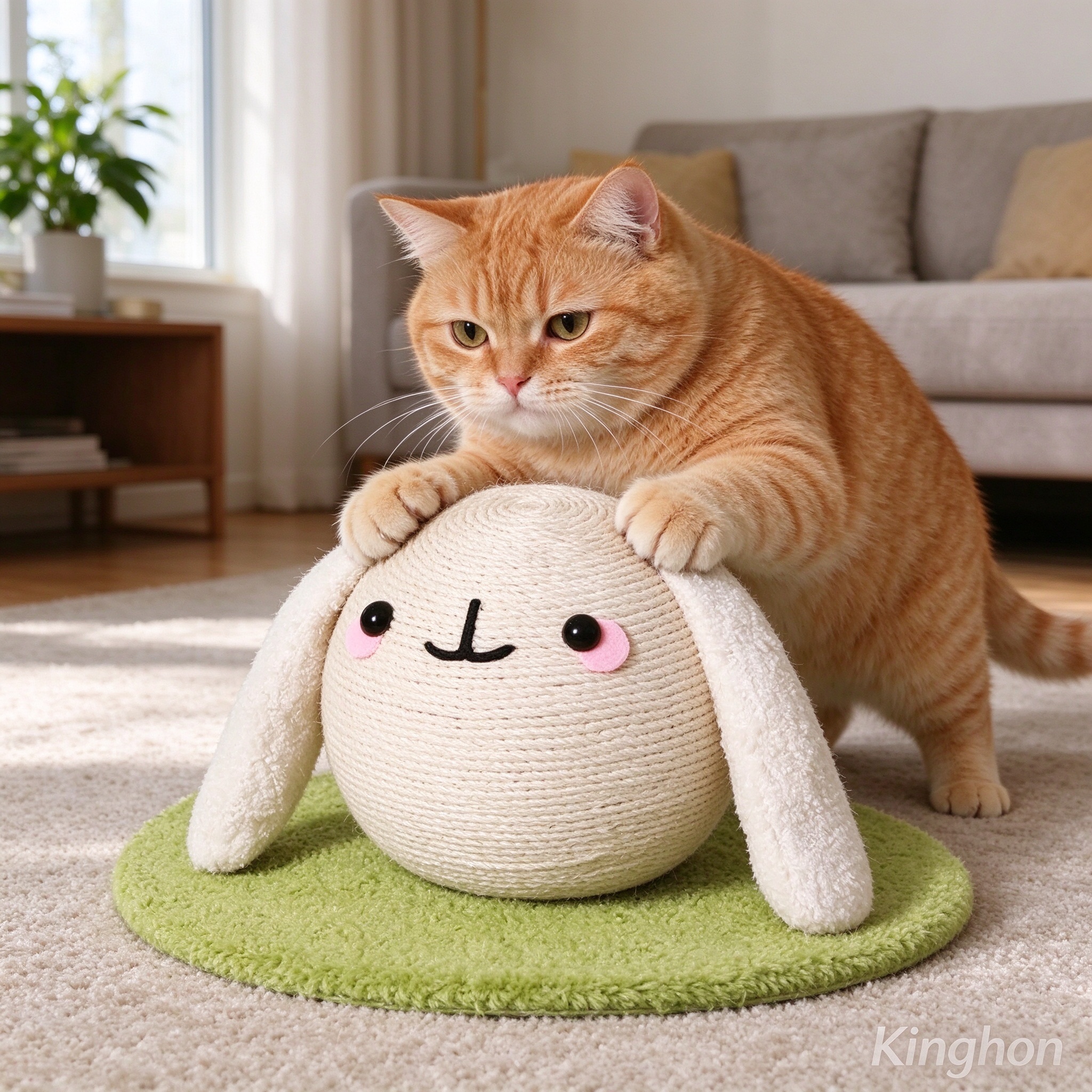
Kinghon Rabbit Style Cat Scratching Ball Plush Cat Toy Indoor Pet Play Ball
Heavy-duty natural sisal sphere engineered for energetic clawing conditioning. Combines plush elements to encourage feline interaction around feeding and play zones.
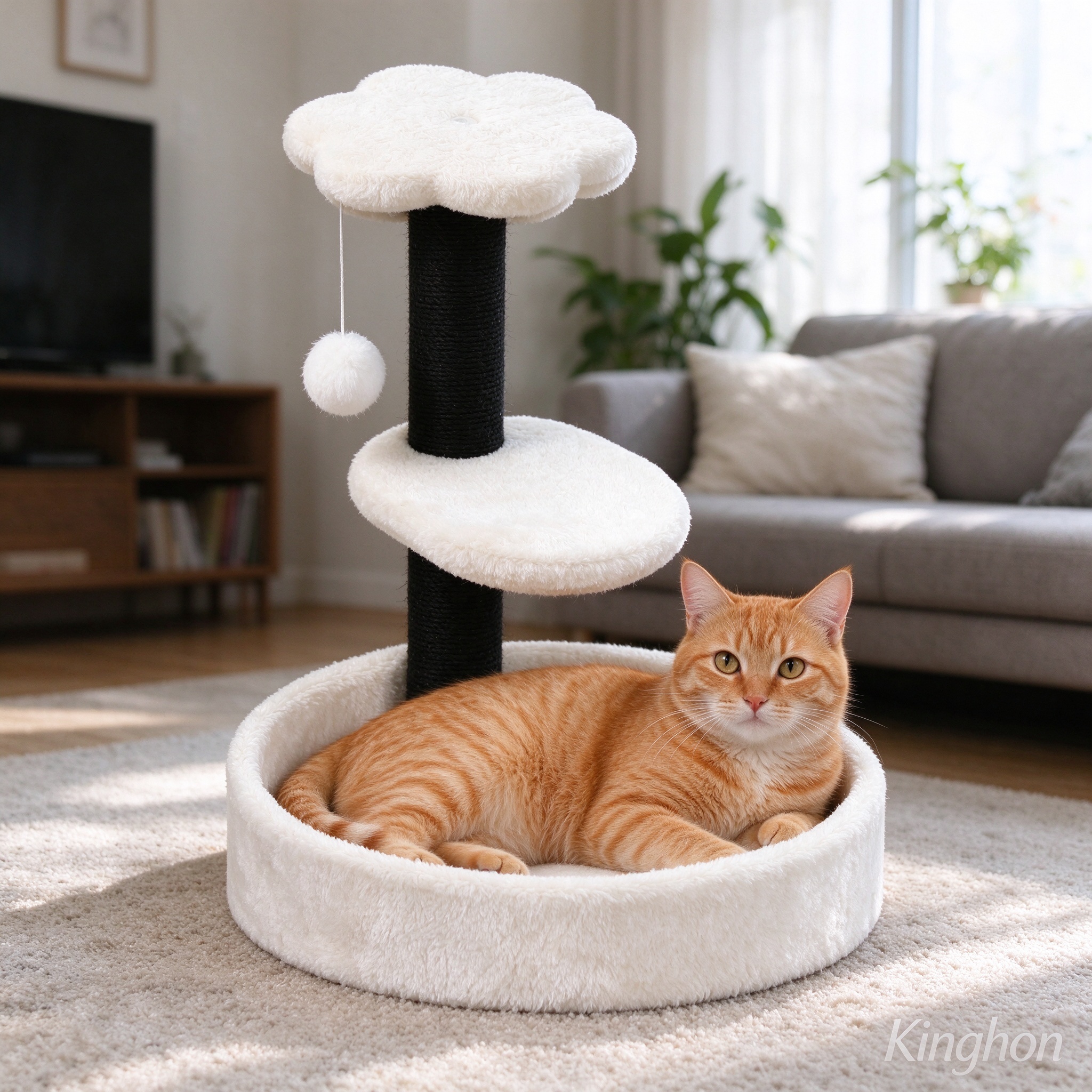
Kinghin Floral Velvet Cat Tree Tower Pom Pom Ball Plush Cat Scratcher Climbing Frame for Indoor Cats
Aesthetic Dutch-interior compatible climbing tower. Provides multi-tier observation points and robust scratch resistance with flat-pack European logistics efficiency.
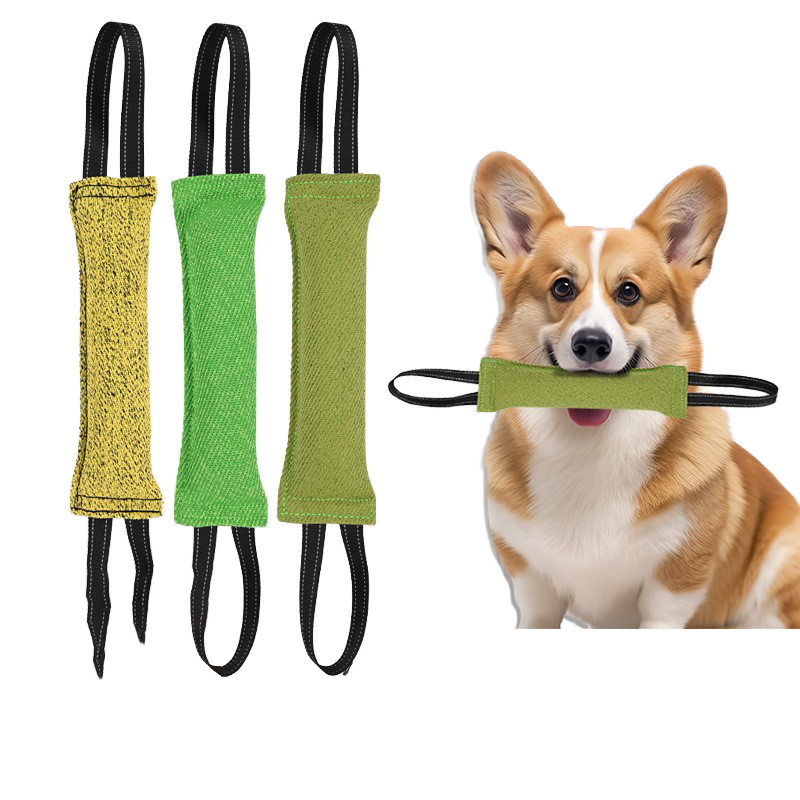
Professional Bilateral Handle Bite Stick Dog Toy Funny Linen Style Reflective Pet Training Tug Resistant to Tear Hot Sale
High-tensile French linen bite construction with dual reinforced nylon grab loops. Tested for professional working dogs and intensive obedience drills.
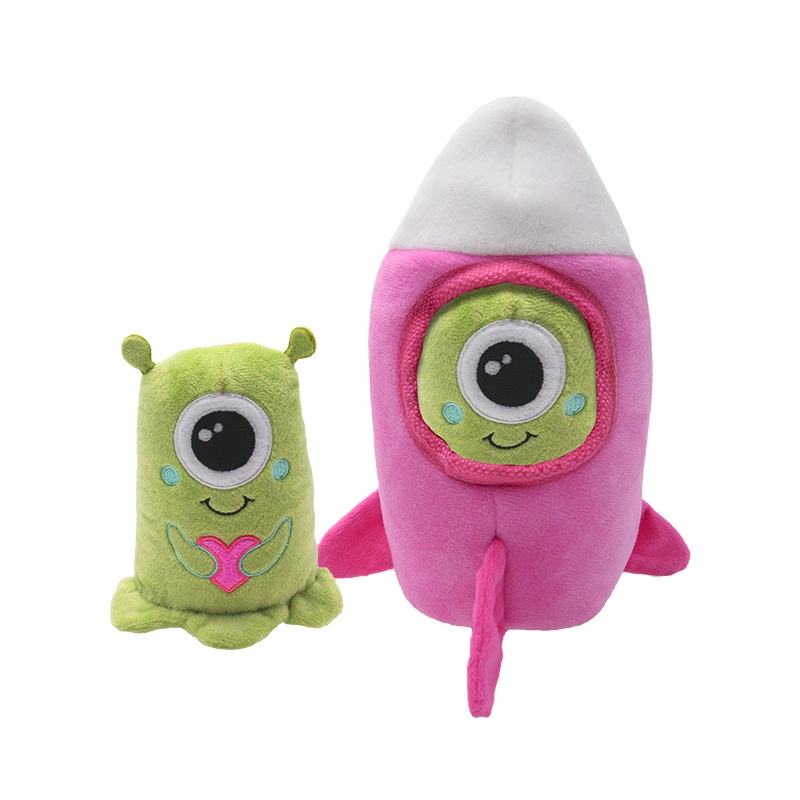
For Classic Eco-Friendly Custom Alien Series Funny Hundespielzeug Soft Stuffed Plush Squeaky Dog Toy
Double-stitched novelty squeaker toy built from recycled plush fabrics. Features puncture-resistant sonic bladders and non-toxic food-safe dyes.
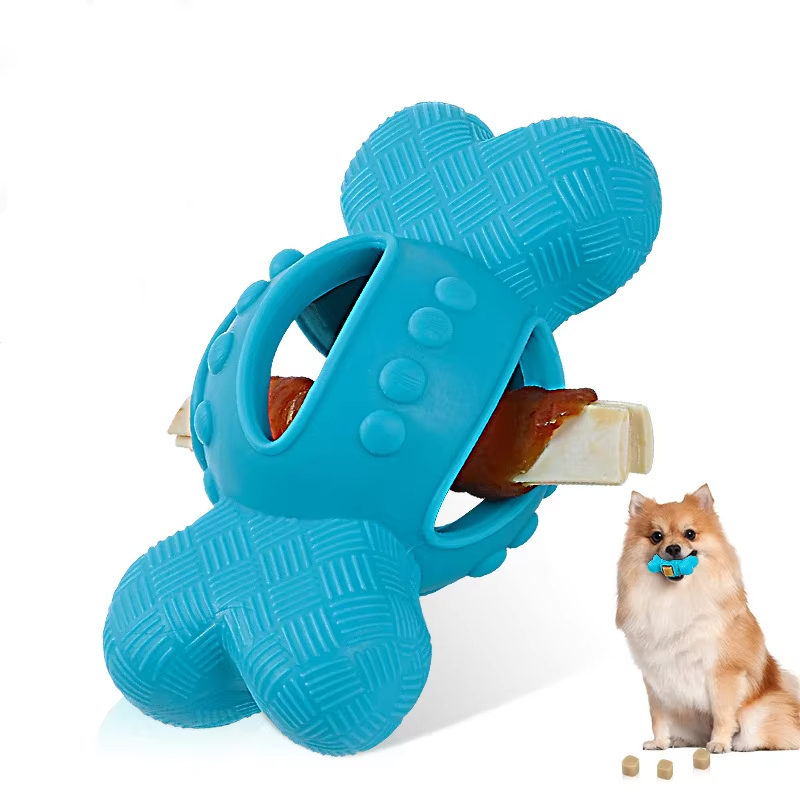
Blue Rubber Dog Chew Toy Food Holder Teeth Grinding Bone Shape Interactive Biting Plaything 11.5cm
Vulcanized natural rubber kibble dispensing system. Cleans dental ridges during play while moderating intake speed for enthusiastic pets.
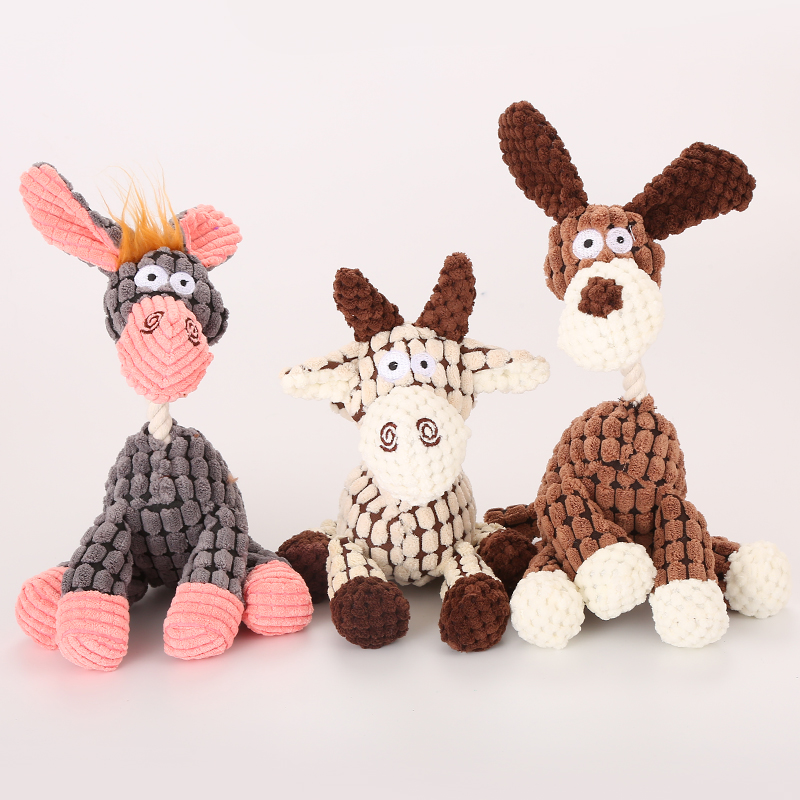
Interactive Plush Dog Chew Toy Cotton Rope Animal Design Teeth Cleaning Training Play Indoor Outdoor
Multi-strand tightly braided virgin cotton fibers that floss dental crevices mechanically during tug exercises. Safe, dye-fast, and fully washable.
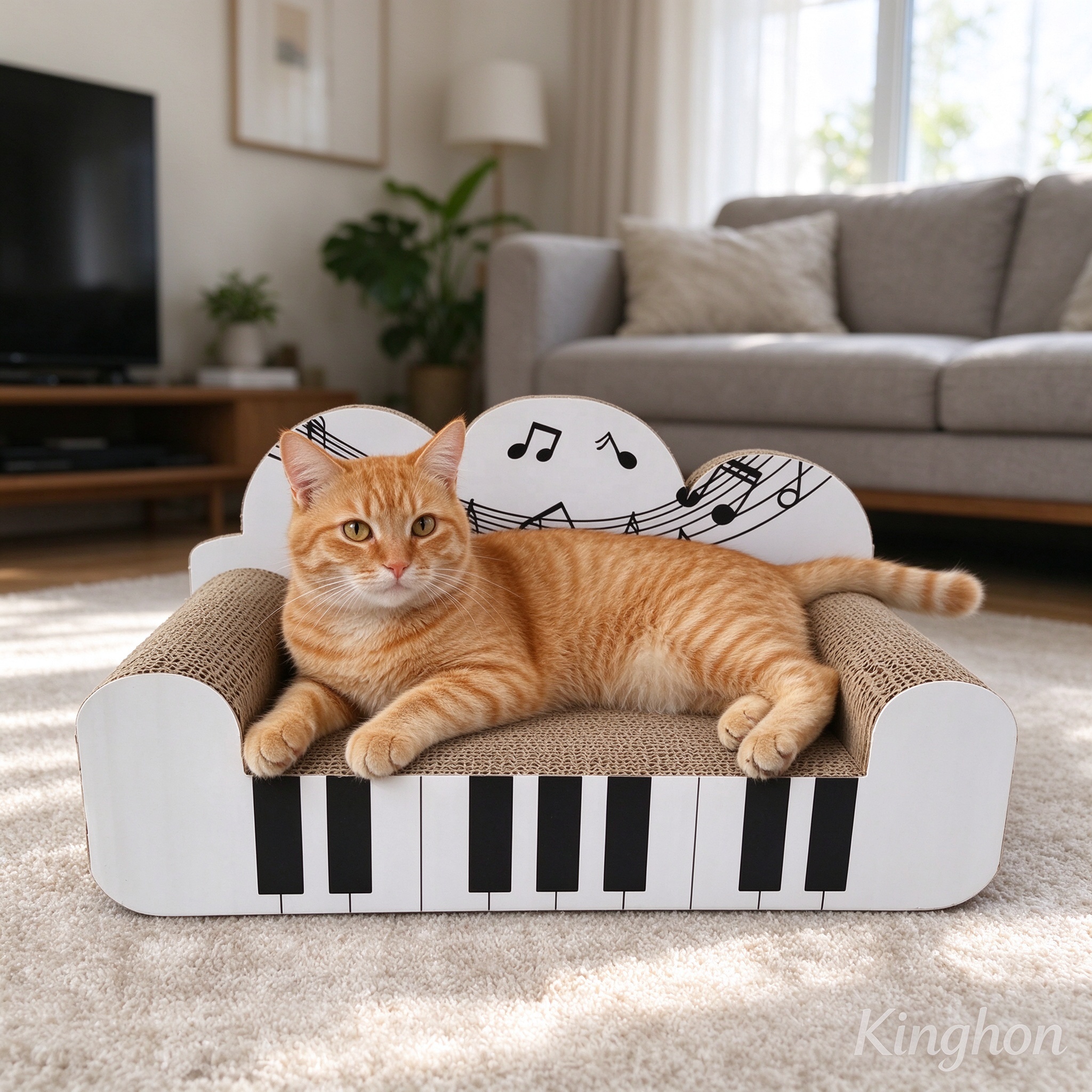
Kinghon Piano Shaped Corrugated Cat Scratcher Lounge Bed Cardboard Cat Sofa Custom Logo Indoor Pet Furniture
Ergonomic concave structural corrugated scratching lounger. Engineered with high-density flute fluting that resists cardboard shedding in living spaces.
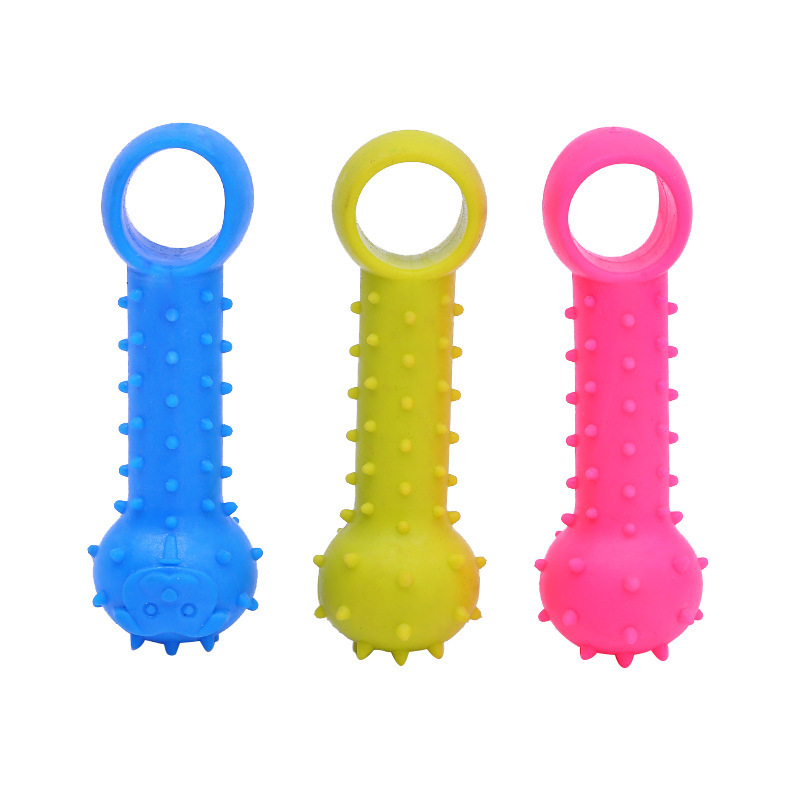
Rubber Dog Chew Toy Textured Teething Dumbbell Interactive Play Tug Toy 9.5 x 3.5 cm Blue Green Pink
Thermoplastic elastomeric dumbbell with multi-angle massage nodules. Designed to soothe periodontal pain during puppy and kitten growth phases.
Localized Applications: Cat Feeding Dynamics in The Hague (Den Haag)
Designing and supplying cat feeding equipment for the Dutch administrative capital requires a profound understanding of South Holland's urban geography, architectural patterns, and heightened animal welfare sensibilities.
The Hague is characterized by a distinctive cross-section of feline lifestyle environments. From the historic, high-ceilinged apartments in Zeeheldenkwartier and Benoordenhout to the modern compact townhouses in Ypenburg and the coastal seaside residences along Scheveningen, cat feeding routines must integrate seamlessly into contemporary domestic layouts. In Dutch urban homes, pet bowls are not hidden away in utility cellars; they are visible interior components placed in open-concept living kitchens and hardwood dining areas.
This localized lifestyle creates strict commercial demands for manufacturers: Zero floor slippage, acoustic dampening during eating, and aesthetic harmony with Dutch Nordic minimalism. When cats eat on polished laminate, parquet, or poured concrete floors (gieterij vloeren) common in Hague renovations, unstable stainless steel bowls clang loudly and scuff expensive surface varnishes. Our industrial design answers this by integrating broad-spectrum silicone injection gaskets (Shore A 60 durometer) and solid bamboo weight-stabilized bases that remain immobile under vigorous feeding behaviors.
Whisker Fatigue & Anatomical Demands in Dutch Veterinary Standards
Veterinary practitioners across South Holland increasingly advocate against narrow, deep feeding cylinders. When feline vibrissae (whiskers)—which are packed with hypersensitive nerve endings and proprioceptors—repeatedly strike the sheer perimeter of a deep bowl, animals develop sensory exhaustion known as whisker fatigue or whisker stress. This manifest behaviorally as food scattering, refusal to eat from the perimeter, or nervous agitation during meals.
As an OEM engineering partner, our production lines in Yiwu craft shallow-profile, broad-arc bowls with an inner curvature radius exceeding 120mm and a focal depth calibrated under 35mm. By combining wide elliptical geometries with an ergonomic 15-degree forward tilt angle, our cat bowls align precisely with the feline cervical spine. This posture alleviates esophageal reflux, minimizes air ingestion (aerophagia), and protects aging cats afflicted with osteoarthritis—a critical selling feature for veterinary clinics and specialty pet boutiques throughout The Hague.
Coastal Scheveningen Corrosion Defense
The marine air from Scheveningen carries elevated atmospheric salt levels. Inexpensive 201-grade stainless bowls develop surface oxidation and pitting within months. We engineer solely with vacuum-annealed AISI 304 and 316 austenitic stainless steel, ensuring zero rust formation, high pitting resistance, and lasting luster.
Nordic & Dutch Minimalist Finishes
Hague consumers favor muted matte tones, warm earthen ceramic glazes, and sustainably sourced FSC certified bamboo stands. Our production accommodates custom matte ceramic firings at 1,280°C that integrate flawlessly with modern Dutch home aesthetics.
Whisker Fatigue Mitigation Geometries
Every cat bowl mold is calibrated with wide-radius, shallow elliptical arcs. Whiskers stay entirely clear of side walls during consumption, drastically reducing feline feeding anxiety and maximizing palatability across sensitive and purebred breeds.
Emerging Trends & Regulatory Frameworks in the Netherlands
Commercial buyers importing into the Randstad megalopolis face a shifting regulatory environment centered on plastic eradication, circular economy mandates, and rigorous EU chemical oversight.
The Netherlands remains at the avant-garde of circular economy frameworks within the European Union. Dutch retail chains and omni-channel pet brands are systematically phasing out cheap polystyrene and petroleum-based plastic feeders. Plastic surfaces inevitably develop micro-abrasions from sponge cleaning and cat tongue friction; these microscopic crevices harbor Pseudomonas and Staphylococcus bacteria, serving as the primary clinical etiology for feline chin acne (folliculitis).
Consequently, wholesale demand across The Hague has pivoted overwhelmingly toward dual-material hybrid designs: inert vitrified ceramic dishes or LFGB-certified stainless steel bowls seated within renewable bamboo-fiber or FSC-certified European beechwood holders. Furthermore, commercial pet buyers require compliance validation against strict European Union benchmarks, including:
- Regulation (EC) No 1935/2004: Ensuring materials intended to come into contact with pet food do not transfer their constituents into food in quantities that endanger animal health.
- German LFGB & Dutch Commodity Act (Warenwet): Complete absence of extractable heavy metals (lead, cadmium, cobalt) in ceramic glaze formulations and food-contact silicone components.
- REACH Annex XVII: Complete omission of restricted phthalates (DEHP, DBP, BBP, DIBP) in anti-slip elastomer feet and modular sealing gaskets.
Integration with Automated Feeding & Microchip Feeders
A key technological development within Dutch urban demographics is the rise of smart pet ecosystems. Working professionals in The Hague's diplomatic, legal, and governmental quarters frequently deploy automated portion-control dispensing machines or microchip-selective access feeders. As a premier manufacturer, Yiwu NEDU Pet Products Co., Ltd. supplies customized, precision-stamped insert bowls compatible with major smart-feeder chassis. Our dimensional tolerance standards (±0.25mm) guarantee smooth robotic latching and accurate load-cell weight calibration without jamming automated mechanics.
| Material Category | Food Safety Benchmark | Whisker Clearance Index | Acoustic & Floor Stability | Target Retail Channel in The Hague |
|---|---|---|---|---|
| Austenitic 304 Stainless Steel | EC 1935/2004 & LFGB Certified | High (Wide Shallow Geometry) | Requires Silicone Boot Ring | High-Volume Supermarket & E-commerce |
| High-Fired Vitrified Ceramic | Lead / Cadmium Free Glazes | Maximum (Broad 135mm Arc) | Excellent (Natural Heavy Mass) | Independent Boutique & Vet Practices |
| FSC Bamboo & Stainless Hybrid | Food Contact Safe Lining | Optimized 15° Inclination | Superior (Rubber Non-Marring Feet) | Eco-Conscious Lifestyle & Concept Stores |
| Slow-Feeding Ridged Stoneware | Heavy-Duty Vitrified Clay | Moderate (Controlled Portions) | Unmovable Under Feeding Force | Veterinary Obesity Management Lines |
| Microchip-Compatible Steel Inserts | Deep-Drawing Tooling Tolerance | Specific to Feeder Aperture | Automated Chassis Fitment | Smart Pet Tech & Hardware Brands |
Why The Hague Pet Wholesalers Partner with NEDU Pets
Bridging Chinese industrial manufacturing scale with meticulous European quality management. Headquartered in the world's trade epicenter, Yiwu NEDU Pet Products Co., Ltd. delivers direct factory economics with dependable export reliability.
Navigating global procurement requires an agile manufacturing partner that understands container economics, raw material verification, and prompt communication. As an On-Site Verified Supplier with more than 8 years of audited transactional history, NEDU Pets is fundamentally structured to eliminate sourcing uncertainty for Dutch importers.
Our production facilities integrate automated metal spinning, deep-drawing stamping, dust-free electrostatic powder coating, and kiln-controlled ceramic vitrification under one cohesive management system. For distributors in The Hague, this delivers five unmistakable commercial advantages:
Cross-Category Container Consolidation
Based in Yiwu, the epicenter of global small commodities, we operate proprietary consolidation warehousing. Importers can combine cat bowls, plush toys, scratching towers, beds, and walking gear into a single mixed 20GP or 40HQ container, slashing landed shipping overhead per SKU.
Precision OEM / ODM Customization
We execute fiber-laser brand engraving, bottom relief mold stamping, screen printing, and bespoke Pantone color-matched powder coatings. Packaging is tailored for Amazon FBA, Bol.com, or European high-street retail shelves with EAN-13 barcodes.
3-Tier AQL Quality Assurance
Every lot undergoes pre-production raw material spectroscopic testing, in-line dimensional tolerance checks, and final random AQL II inspection. We provide third-party lab testing coordination (SGS, TÜV, Intertek) prior to container seal release.
Frequently Asked Questions for Buyers in The Hague
Essential trade details covering import tariffs, maritime routes, testing certificates, and order fulfillment parameters for Dutch businesses.
Q1: How does shipping logistics function from your Yiwu factory to The Hague?
The Hague sits in immediate geographic proximity to the Port of Rotterdam (approx. 25km via the A13 highway). Bulk seafreight shipments depart from Ningbo-Zhoushan Port or Shanghai Port with an ocean transit time of approximately 28 to 34 days to Rotterdam Maasvlakte. Once cleared by Dutch customs (Douane), containers are drayed directly to commercial distribution centers in South Holland via container truck within hours. For urgent sampling or lightweight retail replenishments, we offer direct air cargo into Amsterdam Schiphol (AMS) with 4-to-7 day transit.
Q2: What are the import duty rates and VAT (BTW) implications for pet bowls entering the Netherlands?
Under the EU Common Customs Tariff (TARIC), cat bowls are classified according to their primary composition: Stainless steel bowls typically fall under HS Code 7323.93 (approx. 3.2% duty), ceramic pet tableware under HS Code 6912.00 (approx. 5.5% duty), and plastic/silicone hardware under HS Code 3924.90 (approx. 6.5% duty). Commercial imports are subject to the standard Dutch VAT rate (BTW) of 21%. Dutch businesses holding an Article 23 license (Artikel 23 vergunning) can defer import BTW directly to their periodic tax returns, conserving working capital.
Q3: Can you provide European food-grade contact declarations for municipal compliance?
Yes. We regularly supply declarations of compliance (DoC) under Regulation (EC) 1935/2004. Our high-grade stainless steel bowls (Grade 304/1.4301) pass heavy metal release screenings (Lead, Cadmium, Chromium, Nickel) pursuant to European Council Resolution CM/Res(2013)9. Glazed ceramic items undergo acetic acid leaching tests to certify non-detectable levels of lead and cadmium, satisfying Dutch Food and Consumer Product Safety Authority (NVWA) protocols.
Q4: What is your Minimum Order Quantity (MOQ) structure for custom private-label projects?
For standard catalog inventory with neutral packaging, our ready-to-ship MOQ starts at just 5 to 20 units, allowing retailers to test consumer response. For custom OEM projects involving laser-etched branding, bespoke color boxes, or custom Pantone powder coatings, the typical production MOQ is 100 to 500 units per design. Complete custom mold tooling (stamped stainless steel geometries or proprietary ceramic shapes) begins at 1,000 units with mold amortization options.
Q5: Can NEDU Pets handle labeling requirements for multi-channel sales (Bol.com, Amazon EU, Retail)?
Absolutely. We manage complete retail packaging adaptation. This includes translating user guides into Dutch (Nederlands) and German, affixing customized EAN-13/GS1 retail barcodes, FNSKU labels for Amazon fulfillment centers (such as Roermond or Schiphol hubs), and drop-test certified carton packaging engineered to endure European courier parcel sorting lines (PostNL, DPD, DHL Parcel).
Q6: How do we initiate sample evaluation before authorizing a 20ft container run?
We maintain an expansive physical sample archive at our Yiwu operations. In-stock sample bowls and accessories ship within 24 to 48 hours via express courier (DHL/FedEx) arriving in The Hague in 3 to 5 business days. Custom branded prototypes following your CAD geometry or Pantone reference require approximately 7 to 12 days for tooling adjustments and sample production.
Scale Your Pet Supply Program with an Audited Factory Partner
Whether you require precision-drawn LFGB stainless steel cat bowls, ergonomic ceramic tilted dishes, or full cross-category consolidation to The Hague, our technical sales engineers are ready to assist. Average response time is under 5 hours.