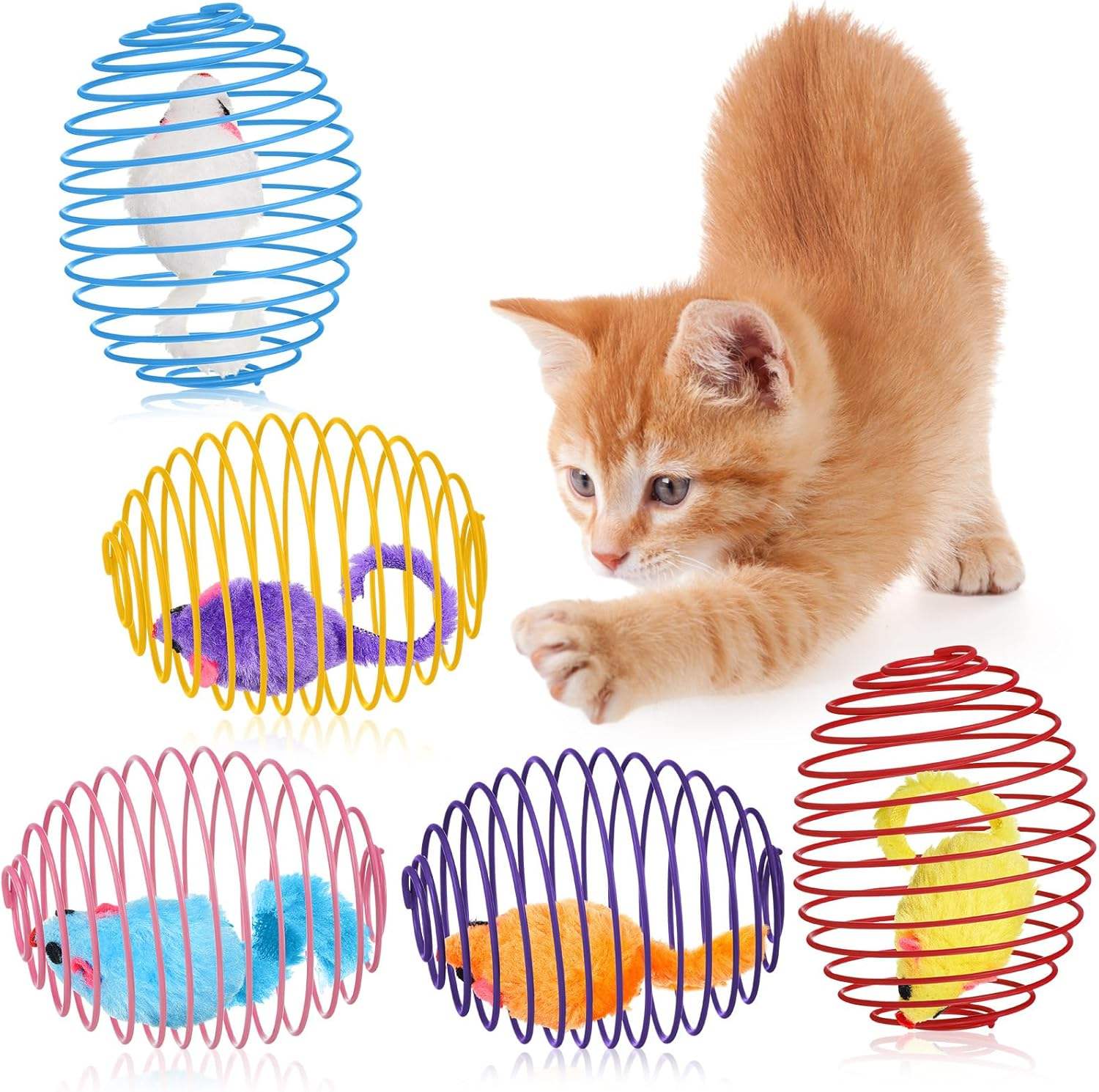
Enrichment Toy
Navigating the convergence of East Japan Railway compliance, compact urban housing aesthetics, and high-tensile material engineering for Japanese pet brand importers.
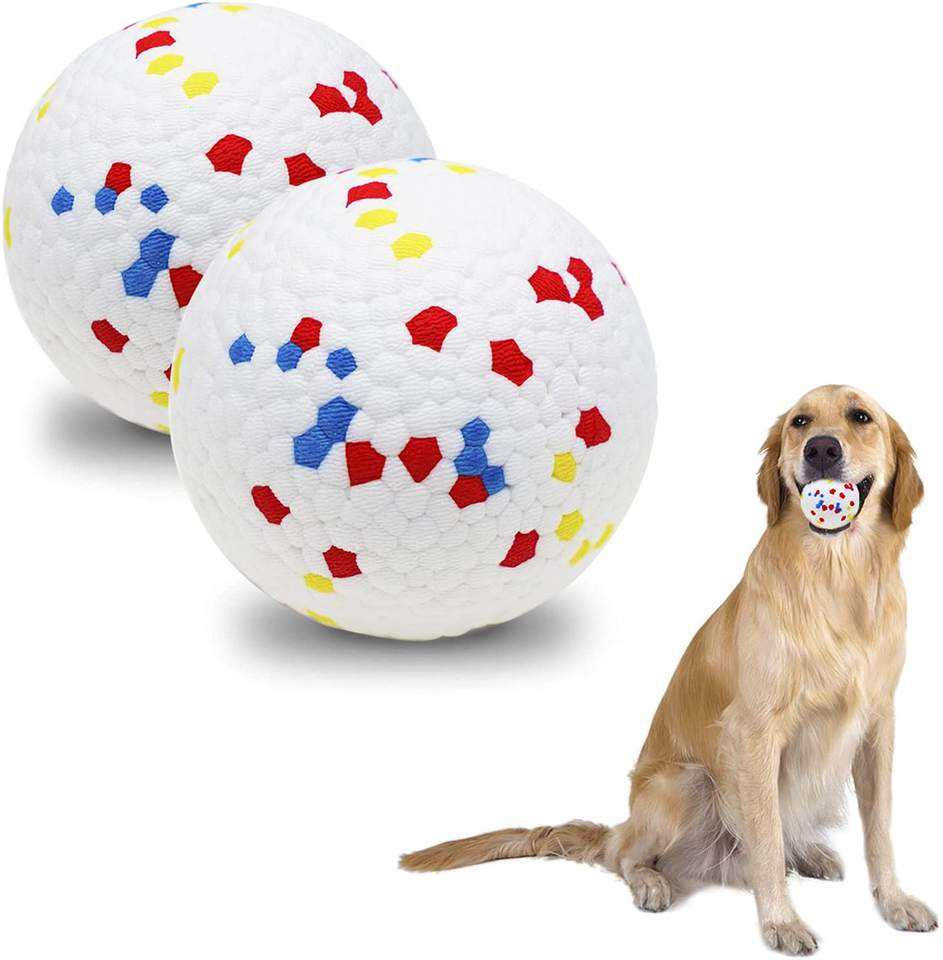
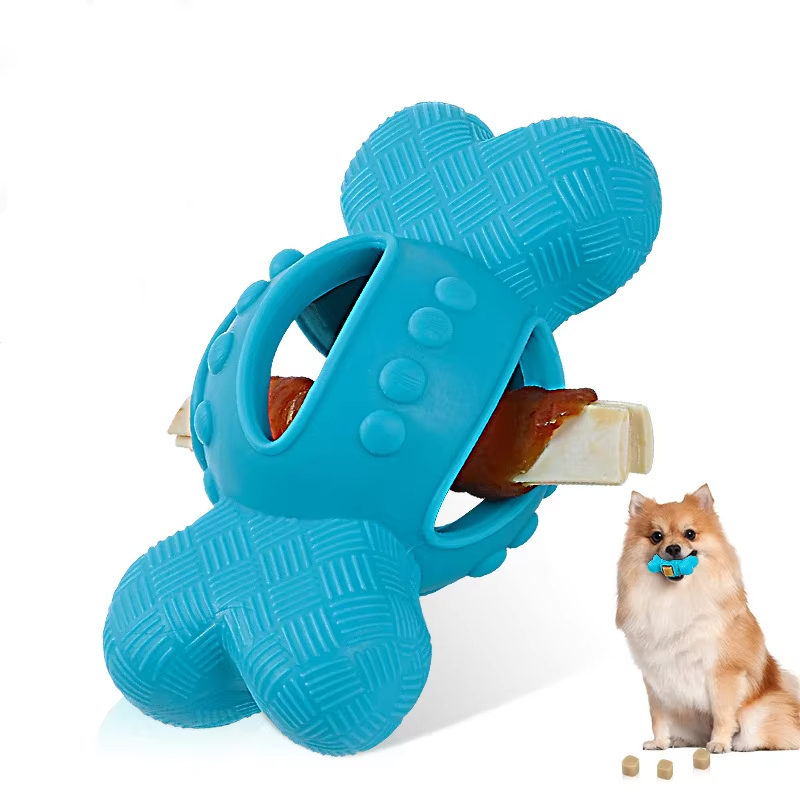
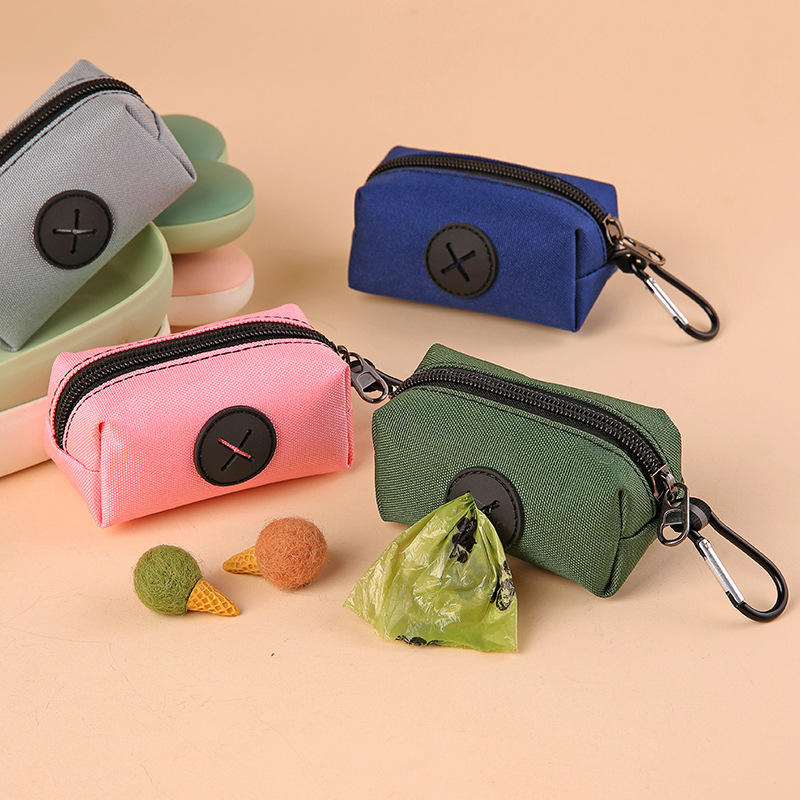
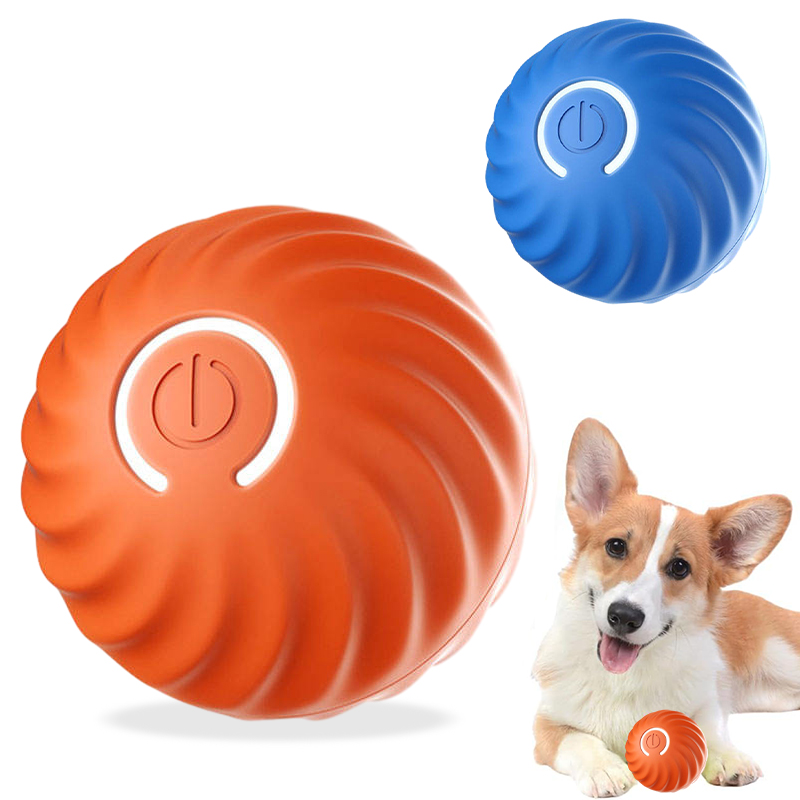
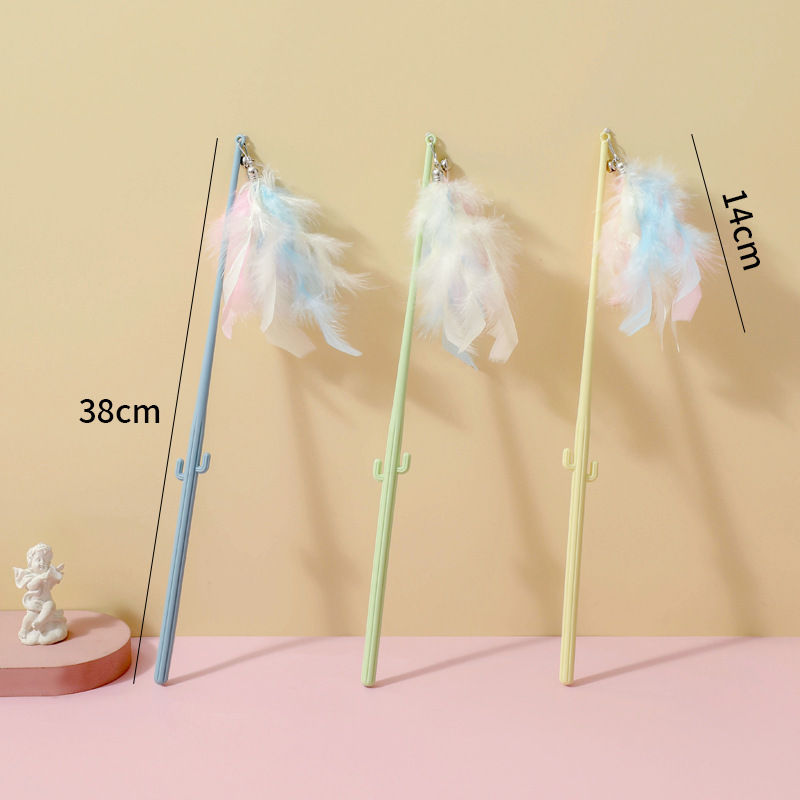
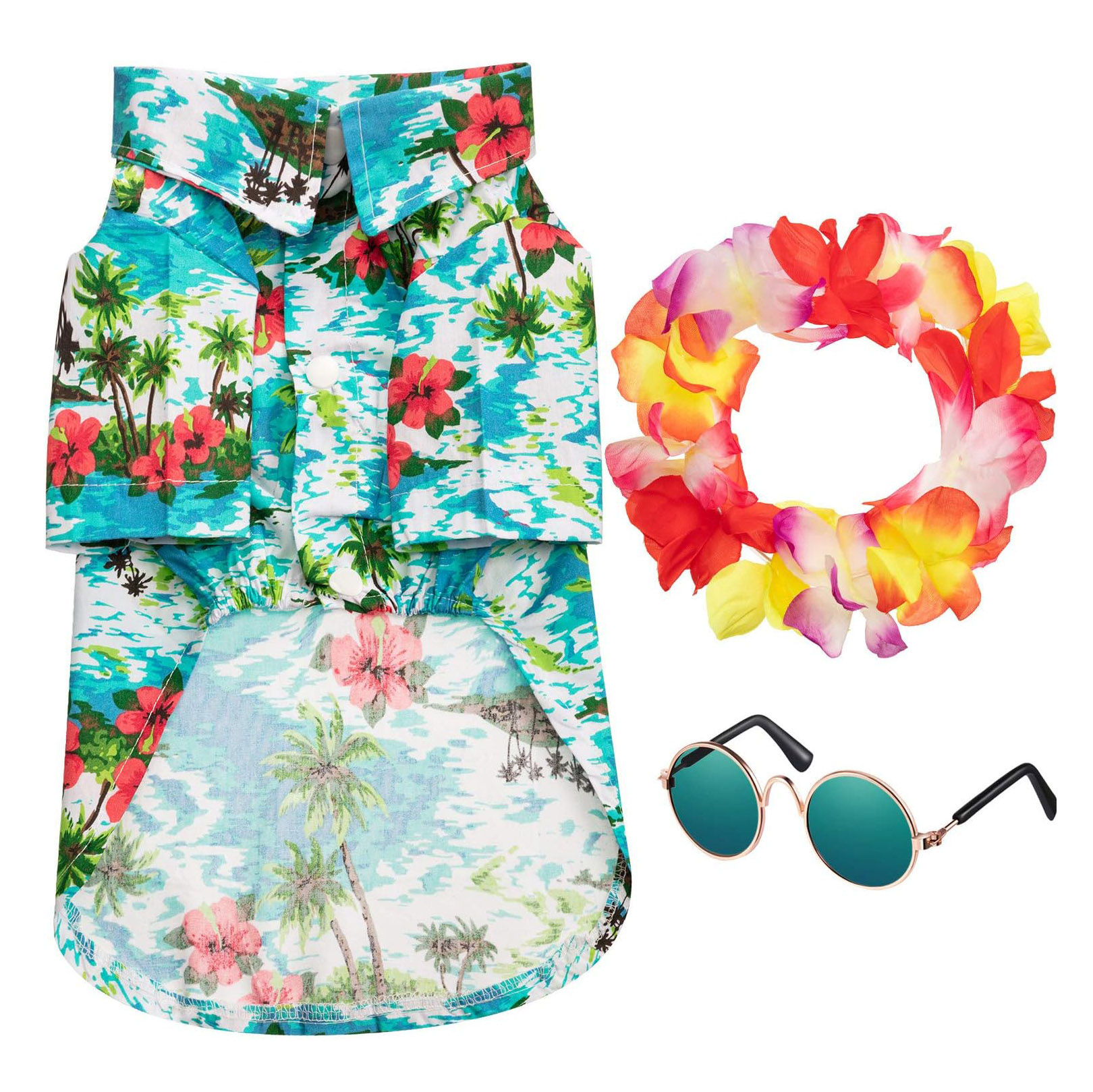
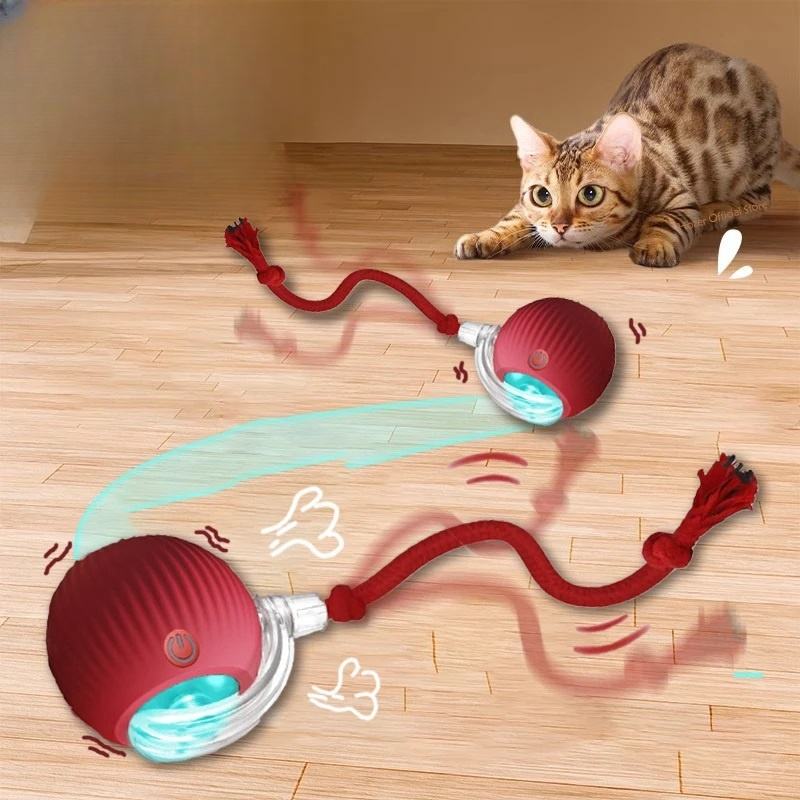
Direct from our Yiwu manufacturing facility to Kanagawa logistics corridors. We provide end-to-end OEM sampling, CAD-to-prototype patterns, and lab-tested compliance.
Send an InquiryYokohama represents Japan's second-largest municipal market, defined by an intricate blend of high-density urban residential towers in Minato Mirai 21, transit corridors radiating from Yokohama Station, and expansive pet-friendly coastal open spaces such as Rinko Park and Yamashita Park. Sourcing dog carrier bags for this unique demographic requires manufacturers to abandon generalized Western product patterns and engineer specifically for the logistical constraints of Kanagawa Prefecture.
Foremost among localized requirements is full adherence to Japanese commuter rail systems. Commuters on the Tokaido Line, Minatomirai Line, and Keikyu Main Line adhere to stringent East Japan Railway Company (JR East) passenger carriage regulations. JR East dictates that personal domestic animals must be entirely enclosed in a carrier bag or case where the maximum sum of three dimensions (length, width, height) does not exceed 120 centimeters, with total weight—pet included—held under 10 kilograms.
In response, our factory has developed structural lightweight frames using high-yield 6000-series aluminum tubing and lightweight polyethylene honeycomb floorplates. This architecture prevents base-sagging—a common reason pet owners are cited or prohibited from boarding transit—while isolating the carrier envelope from accidental structural deformation in peak commuter crowds.
Moreover, the high humidity of Tokyo Bay coastal weather accelerates hydrolytic degradation in sub-standard PU synthetic leathers. Importers operating within Yokohama must demand moisture-stable coatings. Our localized factory lines substitute standard polyurethanes with hydrophobic high-density 900D Oxford nylon, treated with non-fluorinated durable water-repellent (DWR) formulations. These fabrics withstand salt-fog coastal exposure along the bay-front promenades while ensuring the canine occupant remains protected during abrupt seasonal downpours typical of the Kanto typhoon season.
Complete 100% visual containment panels featuring blackout roll-down magnetic blinds. Conforms with JR East zero-visibility rules to eliminate passenger friction in crowded cars.
Salt-resistant electroplated zinc alloy zips and stainless D-rings resistant to saline spray oxidation along Yokohama Port, preventing mechanical jamming and cosmetic tarnishing.
Flat-folding geometry collapsing down to under 5.5cm in thickness. Perfectly engineered for storage inside compact Japanese genkan shoe cabinets and apartment closets.
Procurement specialists analyzing the Japanese domestic pet sector must account for structural behavioral shifts. Across Kanagawa Prefecture, the canine population is characterized by a high concentration of Toy Poodles, Miniature Dachshunds, Chihuahuas, and Shiba Inus. The ongoing "humanization" of companion animals (Aigo-Dobutsu) has driven consumer willingness to invest in premium carrier accessories that blend effortlessly into high-fashion urban lifestyles.
Three distinct manufacturing vectors dominate current consumer sell-through in Yokohama specialty boutiques and department stores (such as Motomachi and Yokohama Station shopping complexes):
Consumers reject single-utility carriers. Demand has shifted heavily toward 3-in-1 modular systems: an ultra-light tote for quick sidewalk errands, a clip-in booster seat anchoring seamlessly to vehicular ISOFIX bars, and a rolling trolley platform for sustained journeys through expansive subway terminals.
In shared elevator spaces of Yokohama's luxury tower residences, barking resonance and animal odor are major consumer concerns. We integrate sound-dampening acoustic mesh layered with activated charcoal composite liners, suppressing vocalization spikes and neutralizing ambient odors during transit.
The Japanese millennial and Gen-Z demographic demands verified ecological credentials. Our manufacturing lines now utilize 100% GRS-certified post-consumer recycled rPET yarns, coupled with certified non-toxic organic cotton inner liners that comply with Japan Food Sanitation Law contact guidelines.
Detailed technical, compliance, and supply chain answers for brand owners, Amazon Japan sellers, and Kanagawa-based retail buyers sourcing bulk production.
Our Japan-specific OEM carrier patterns are calibrated to standard dimensions of 45cm (L) x 25cm (W) x 30cm (H), resulting in an aggregate three-dimensional measurement of 100cm—safely below the 120cm statutory limit imposed by JR East. Furthermore, our designs feature full-coverage zip-down blackout mesh panels that ensure the animal is completely shielded from public view, meeting transit guidelines without compromising airflow.
Shipments intended for Japanese retailers require zero needle-breakage tolerance. We enforce a two-stage quality checkpoint: every soft-goods carrier passes through a conveyor-type magnetic needle detector calibrated to an Fe 0.8mm sensitivity threshold before packaging. Furthermore, all load-bearing structural seams undergo an in-line tension test to prevent hardware detachment.
For factory-stocked standard profiles utilizing readily available raw materials, initial order quantities start as low as 50 to 100 units. For fully customized cut-and-sew ODM projects—featuring bespoke Pantone-dyed webbing, laser-etched metal hardware, branded woven labels, and customized Japanese barcoded packaging—our standard manufacturing run starts at 300 to 500 units per colorway.
Yes. Leveraging our 10+ years of operational history in Yiwu and an established export warehousing infrastructure, we provide centralized multi-category container consolidation. You can combine custom dog carrier bags with plush toys, silicone feeders, and orthopedic memory beds under a single unified Bill of Lading (B/L), dramatically lowering ocean freight overhead for Yokohama Port deliveries.
Stock prototype samples ship within 3 to 5 business days. Bespoke OEM patterns requiring custom tooling or specialized textile finishing are dispatched in 7 to 12 days. Upon formal pre-production sign-off, full commercial scale manufacturing cycles span 25 to 35 calendar days, aligned precisely with major maritime carrier sailings directly to Yokohama Port.
Yes. All materials are formulated to be free of heavy metals, phthalates, and formaldehyde. Upon request, our export engineering department coordinates third-party laboratory verification via SGS, Intertek, or TÜV Rheinland to demonstrate full compliance with REACH, CPSIA, and relevant sections of the Japan Food Sanitation Law for items subject to pet oral contact.
Yiwu NEDU Pet Products Co., Ltd. operates at the vanguard of the pet supplies export ecosystem. As an on-site verified manufacturer and export operator managing 51 to 100 skilled specialists and generating an annual trade volume between US$5,000,000 and US$10,000,000, we bridge the gap between lean manufacturing capabilities and Japanese quality expectations.
Our facility is situated directly within the world's most agile commodity supply chain corridor in Zhejiang. This tactical proximity grants our development team real-time access to cutting-edge technical textiles, aerospace-grade aluminum components, and automated precision stitching equipment, cutting developmental turnaround by half compared to inland regional facilities.
Unlike pure trading brokers, our production lines operate under strict quality management systems. Every batch of dog carrier bags undergoes systematic tensile stress verification on reinforced shoulder cross-stitching, cyclic abrasion testing on ventilation mesh, and endurance checks on all zippered closures.
For Japanese buying syndicates, department store suppliers, and lifestyle pet distributors, our bilingual operations team provides direct communication, rapid sample execution, physical factory inspection hosting, and warehouse consolidation services. We ensure every unit unboxed in Yokohama meets the immaculate standards of quality, clean aesthetics, and reliability your consumers expect.
Initiate your OEM/ODM dog carrier bag project today. Request technical dimension sheets, fabric color books, and direct-factory FOB quotation tables for the Yokohama market.
Send an Inquiry