Featured Pet Gear & Ergonomic Lifestyle Formats
Direct-from-factory catalog offerings engineered for modern outdoor utility, chew resistance, and cold-weather Baltic durability with full customization capabilities.
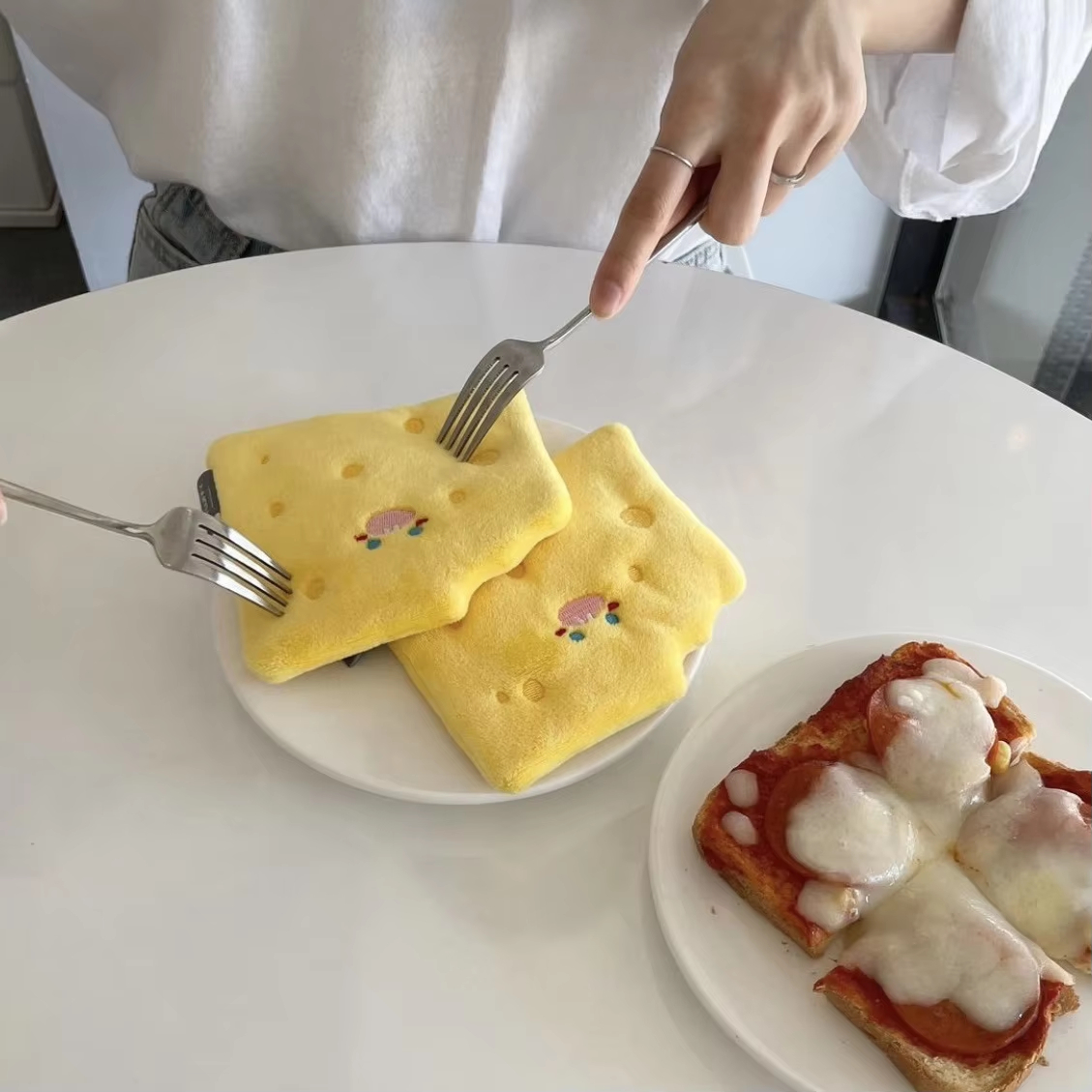
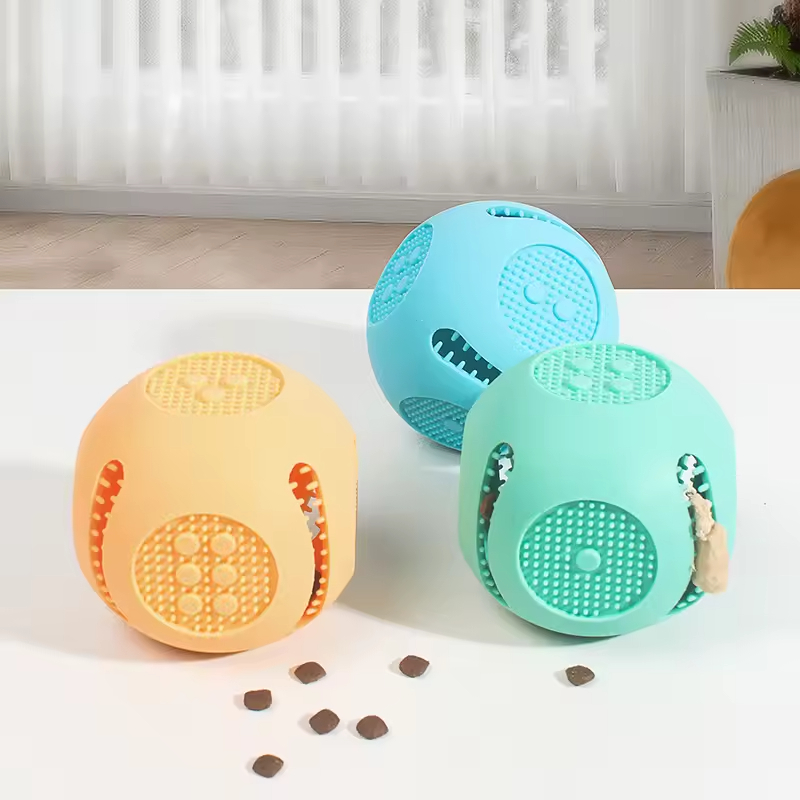
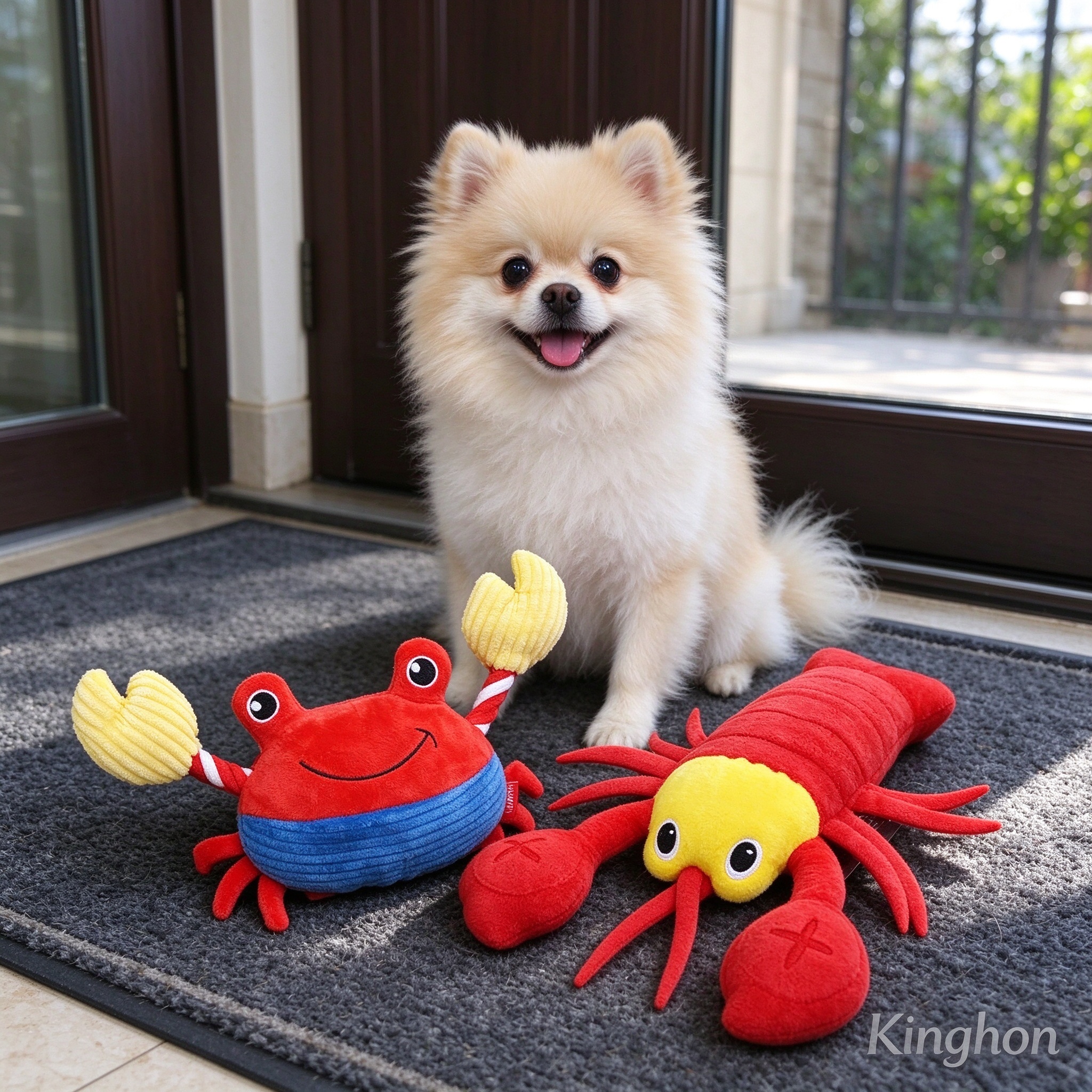
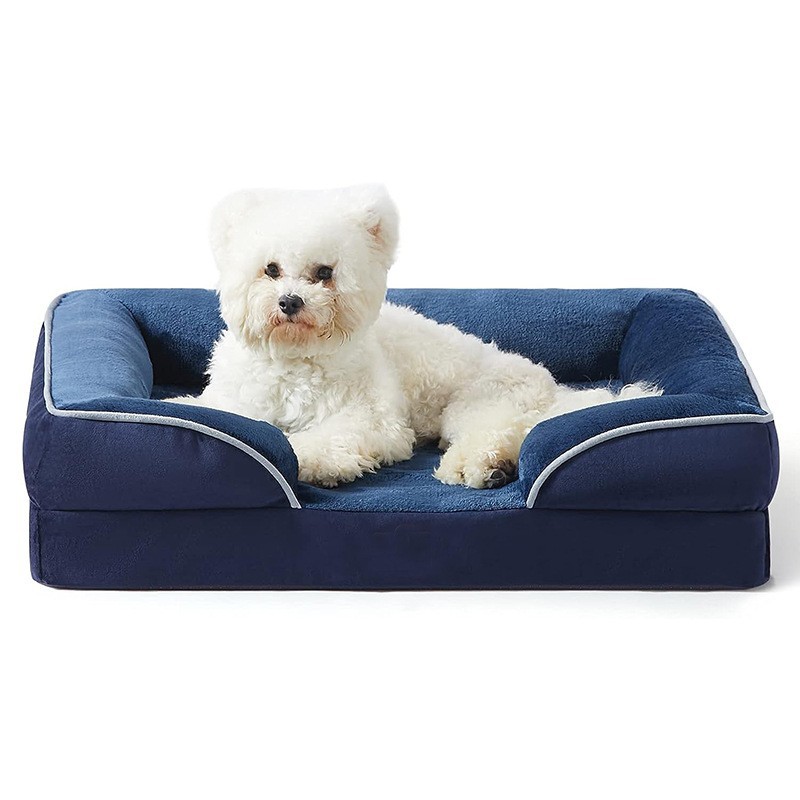
Microclimates, Maritime Geography, and Canine Biomechanics in Pärnu
An executive technical evaluation of why standard pet walking gear fails within the southwestern Estonian coastal rim, and how advanced chloroprene engineering transforms retail viability.
Baltic Sea Salinity & Brackish Corrosion
Pärnu Bay is characterized by shallow, brackish waters with elevated atmospheric chloride deposition along the Mai coastal promenade and Central Beach. Conventional polyester harnesses retain salt crystals within their fiber weave, causing severe micro-abrasions against canine dermal layers and rapid oxidation of low-grade stamped steel D-rings. Neoprene's closed-cell morphology provides an impenetrable barrier against maritime salt saturation.
Boreal Peat Bogs & Pine Trail Friction
From the Tolkuse bog walking trails to the Valgeranna pine forests, local canine recreation involves heavy peat moss, high humidity, and abrasive granite sand. When wet, standard nylon harnesses stiffen, creating severe chafing at the axillary region (armpits). Neoprene padding maintains continuous viscoelastic elasticity, conforming dynamically to canine musculature even when laden with acidic bog mud.
Nordic Kaamos (Winter Twilight) Visibility
Estonia's winter features extended twilight hours (Kaamos) where natural illumination is constrained to mere hours per day. Pärnu pet owners demand high-lumen passive visibility. Our OEM production line embeds 3M Scotchlite retroreflective micro-prismatic filaments directly into the outer nylon binding, achieving European EN ISO 20471 photopic luminance thresholds exceeding 420 cd/(lx·m²).
Anatomy of the Closed-Cell Chloroprene Matrix
Comparative structural telemetry: Why high-grade Neoprene outperforms ethylene-vinyl acetate (EVA) and polyurethane (PU) foam in high-latitude Baltic distribution channels.
| Performance Vector | High-Density Neoprene (CR/SBR Blend) | Conventional Open-Cell EVA Foam | Untreated Polyurethane Padding |
|---|---|---|---|
| Hydraulic Impermeability | <0.03 g/cm² (Closed-cell gas pocket matrix; zero water weight gain) | 0.45 g/cm² (Retains water, increasing bulk weight by up to 35%) | 0.82 g/cm² (Hydrophilic capillary action, slow drying time) |
| Sub-Zero Flexibility (-25°C) | Maintains Shore A 45 durometer hardness; no micro-cracking | Exhibits cryogenic glass-transition embrittlement; structural snapping | Rigidification; severe loss of anatomical contouring |
| Tensile Pull Tolerance | Reinforced cross-weave nylon backer rated to 3,800N failure load | Prone to internal delamination under sudden impact force (<1,400N) | Fibers separate under sustained shear load (<1,850N) |
| Dermal Anti-Chafe Index | Smooth scuba jersey lamination prevents fur clumping and skin lesions | Abrasive edge profile generates hot-spot dermatitis during active running | Degrades into sticky residue under canine body heat and sweat |
| Marine Salt Resistance | ASTM B117 720-hour salt fog exposure pass with zero cellular breakdown | Salt crystals penetrate pores, accelerating dry-rot within 90 days | Rapid chemical breakdown and foul odor development |
Mechanical Load Distribution Technology
The biomechanics of pull-dispersion require that instantaneous kinetic force generated by strong working or companion breeds (such as German Shepherds, Alaskan Malamutes, and Golden Retrievers ubiquitous in Pärnu's suburban Raeküla and Ülejõe sectors) be redirected away from the sensitive thyroid cartilage, trachea, and cervical vertebrae. Our Y-shaped thoracic sternum plate utilizes an ultra-wide 4.5mm Neoprene core bonded to 1000D ballistic nylon. This geometry disperses pulling force vectors evenly across the canine prosternum and ribcage, dampening cervical pressure spikes by up to 68% during impulsive lunges.
Hardware Metallurgy for Brackish Sea Spray
Standard zinc alloy snap hooks deteriorate rapidly when subjected to the humid marine spray sweeping inland from Pärnu Bay. Our Baltic-bound harness runs utilize aerospace-grade electro-plated zinc alloy with dual passivation sealant, or marine-grade 304/316 austenitic stainless steel for anchor D-rings. Tested against aggressive continuous salt spray protocols, our hardware assemblies resist red rust corrosion, ensuring uncompromised mechanical safety and long shelf lives for coastal Estonian retailers.
Tailored Localization Scenarios across Pärnu County
Real-world end-user deployment models verifying product performance in specific regional habitats across Southwestern Estonia.
Pärnu Coastal Meadow Hiking
The Rannaniidu coastal hiking trails encompass coastal meadows, reed beds, and sandy littoral zones where dogs alternate between swimming and dense brush running. The rapid-dry property of our chloroprene rubber ensures the harness does not stay saturated, drying within 40 minutes in typical 18°C Baltic summer breezes, thereby mitigating bacterial fur rot and fungal skin issues common with spongy foam substitutes.
Soomaa Spring Flood "Fifth Season"
Adjacent to Pärnu County lies Soomaa National Park, known globally for its annual high-water flood season. Canicross and active canine trekkers navigate partially submerged boardwalks and wetlands. Harnesses require top-mounted heavy-duty rescue handles engineered with reinforced cross-box bartack stitching to support up to 250kg of dynamic extraction force to lift dogs cleanly out of deep peat trenches without tearing.
Pärnu Urban Center & De-Icing Salts
During the sub-zero winter season across downtown Rüütli street and bridge crossings over the Pärnu River, municipality maintenance teams apply heavy calcium chloride and rock salt. Ground spray inevitably coats lower chest straps. Our outer polyester binding resists chemical leaching, maintaining vibrant color fastness without bleeding dyes into light-colored canine coats.
Emerging Baltic Pet Market Dynamics & Strategic Sourcing Trends
How macro consumer shifts in Estonia, Latvia, and Scandinavia are redefining supply chain criteria for Baltic importers, distributors, and pet store chains.
Humanization of Outdoor Pet Gear
Estonia displays one of the highest per-capita spending growth rates on outdoor lifestyle and adventure equipment in Central-Eastern Europe. The modern Pärnu pet owner treats canine gear with the same scrutiny applied to human mountaineering equipment: technical textiles, ripstop weaves, YKK-grade acetal buckles, and ergonomic certifiability. Retailers are abandoning budget unpadded straps in favor of premium, technical Neoprene models that command high retail margins (€34.99 – €59.99 MRSP) with rapid sell-through rates.
Our factory offers tailored custom dye-sublimation, allowing Baltic brands to release seasonal Scandinavian palettes—Nordic Slate, Forest Moss, Cloudberry Amber, and Baltic Sea Navy—matching current outdoor leisure aesthetics.
Tightening EU Chemical Safety & Microplastic Directives
Estonian importers operating under strict European Union REACH (Registration, Evaluation, Authorisation and Restriction of Chemicals) regulations must comply with rigorous thresholds regarding polycyclic aromatic hydrocarbons (PAHs), phthalates, and per- and polyfluoroalkyl substances (PFAS). Many non-compliant overseas manufacturers utilize recycled industrial scrap neoprene containing toxic plasticizers that fail lab spot-checks at Tallinn or Muuga customs terminals.
We enforce strict virgin chloroprene formulation protocols. Every production batch is backed by SGS/Intertek test declarations verifying zero detectable levels of restricted SVHCs (Substances of Very High Concern), protecting your brand reputation and clearing customs frictionless.
Yiwu NEDU Pet Products: Integrated Manufacturing Advantage
Headquartered in Yiwu, the global epicenter of consumer commodity logistics, we blend factory-direct production with expansive multi-category procurement and consolidation.
Turnkey OEM / ODM Customization
We provide full-spectrum brand integration for Baltic retailers. From custom rubber molded logo patches, high-frequency embossing, and woven jacquard webbing to bespoke hang tags, multilingual EAN-13 barcodes, and retail-ready FSC-certified display boxes. Low MOQ thresholds allow emerging pet labels to test localized collections with minimal inventory liability.
Warehouse Consolidation Hub
Maximize your container fill rates and lower landed unit costs. Importers in Estonia can leverage our modern Yiwu warehousing facilities to consolidate multi-category SKU shipments: combine neoprene harnesses, waterproof orthopedic beds, interactive puzzle chews, and cat trees into a single bill of lading (BOL), dramatically saving LCL freight costs.
Rigorous 3-Tier Quality Assurance
Zero-defect export discipline: (1) Raw material tension testing and spectrophotometer color matching; (2) In-line sewing checks evaluating bartack stitching density (minimum 42 stitches per box stitch); (3) Pre-shipment AQL 2.5 random physical pull tests ensuring buckles withstand rated shear stress without structural fatigue.
Frequently Asked Questions for Pärnu & Baltic Importers
Essential commercial, regulatory, and logistics answers for procurement managers, distributors, and independent pet chains.