High-Volume Export Selections & Complementary SKU Portfolio
Source directly from certified factory lines engineered for European Union consumer goods compliance, flat-pack logistics efficiency, and sustainable urban living.
Strategic Engineering: Sourcing Cat Trees for the Berlin Pet Market
The German pet products sector is characterized by some of the most rigorous technical, ecological, and ergonomic expectations worldwide. In cosmopolitan hubs like Berlin, where urban apartments, historic Altbau multi-family flats, and sustainable consumption dominate homeowner behavior, generic cat trees frequently fall short of retail success. Sourcing cat furniture from Chinese production facilities requires deep technical precision—balancing CARB Phase 2 and TSCA Title VI formaldehyde emissions standards, strict structural deflection tolerances, and minimal cube-meter packaging profiles.
1. Urban Architectural Localization: The Berlin Altbau & Neubau Dynamic
Berlin feline owners reside predominantly in leased apartments characterized by high ceilings (often 3.2m to 3.8m in historic districts like Prenzlauer Berg, Kreuzberg, and Charlottenburg) or compact contemporary builds. This architectural duality necessitates distinct functional criteria for cat climbing structures:
Vertical Ceiling-Tension Engineering: To maximize room utility without puncturing rental walls, tension-mounted floor-to-ceiling modular towers with reinforced internal steel spindles are in high demand. These designs allow cats essential territory perches while demanding a compact physical footprint (typically under 45x45 cm).
Anti-Tipping Base Density: Standard commercial boards made with hollow-core or low-density particle boards cause structural sway when cats pounce at speed. German consumers prioritize thick, solid MDF bases (minimum 30mm) with calibrated low centers of gravity, backed by EN 71 safety compliance guidelines.
2. Material Compliance, Ecology & Chemical Specifications
Distributors and e-commerce merchants catering to Berlin cannot afford non-compliance risks under European chemical directives. In commercial audits, consumer safety authorities enforce the REACH regulation (EC 1907/2006) alongside German national standards like the Chemikalien-Verbotsverordnung:
Low Formaldehyde Adhesives: Baseboards, platforms, and interior condos must incorporate E1 or E0 certified engineered wood, avoiding hazardous off-gassing that sensitive felines immediately reject. Adhesives joining natural sisal wraps to internal posts must employ hot-melt non-toxic PVA formulations entirely free from benzene compounds and synthetic aromatic hydrocarbons.
Natural Sisal vs. Jute Fiber: Feline paw ergonomics require high-grade sisal rope (preferably 4-strand woven, 6mm to 8mm diameter, undyed or bleached with peroxide rather than chlorine). While inexpensive jute is often substituted in low-grade factories, it degrades quickly, generating airborne dust unacceptable to hyper-clean German domestic environments.
3. Logistics Optimization: CBM Compression and Flat-Pack Engineering
With ocean freight volatilization and high European warehousing storage surcharges (per cubic meter per month), bulk furniture profitability hinges entirely on Carton Cubing Optimization (CBM). Our Yiwu manufacturing and packing operations prioritize custom knockdown (KD) configurations:
Interlocking Modular Hardware: Utilizing high-torque internal female threaded sleeves (M8/M10 thread pitch) rather than direct wood screws ensures that consumers can assemble, disassemble, and reconfigure the furniture across rental moves without structural degradation.
Vacuum-Sealed Cushions & Flush Packaging: Detachable plush beds, hammocks, and upholstered nesting cushions are high-density vacuum compressed prior to box insertion, reducing gross shipping volume by up to 34% per carton. This delivers exponential savings on FCL (Full Container Load) shipments landing via Hamburg or Bremerhaven before overland transport to Berlin.
Why Professional Wholesalers Partner With NEDU Pets
Bridging Chinese manufacturing speed with the rigid quality assurance protocols demanded by European trade networks.
On-Site Audited Facilities
Operating from Yiwu, Zhejiang, our integrated manufacturing and trading ecosystem undergoes persistent physical verification, giving EU importers absolute supply transparency.
Comprehensive OEM/ODM Engineering
From custom laser-etched natural wood surfaces and bespoke fabric pantones to certified multi-language assembly manuals (German/English), we tailor each SKU to your brand.
Multi-Category Consolidation
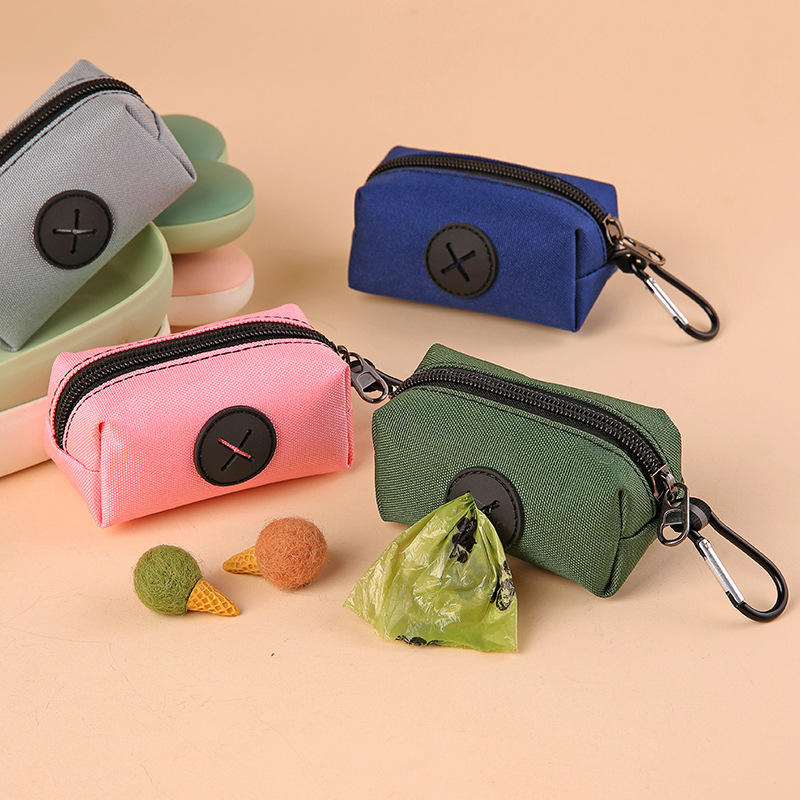
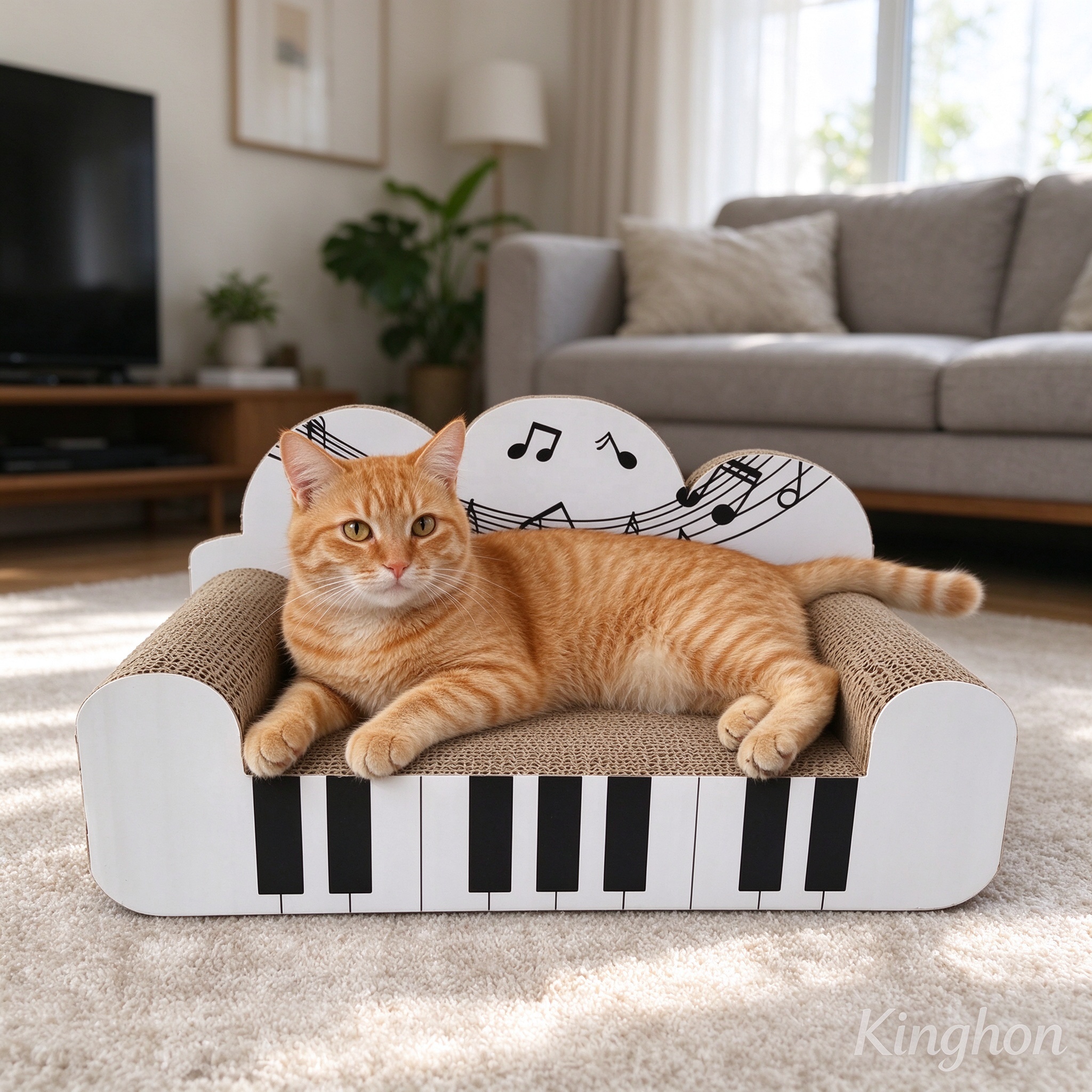
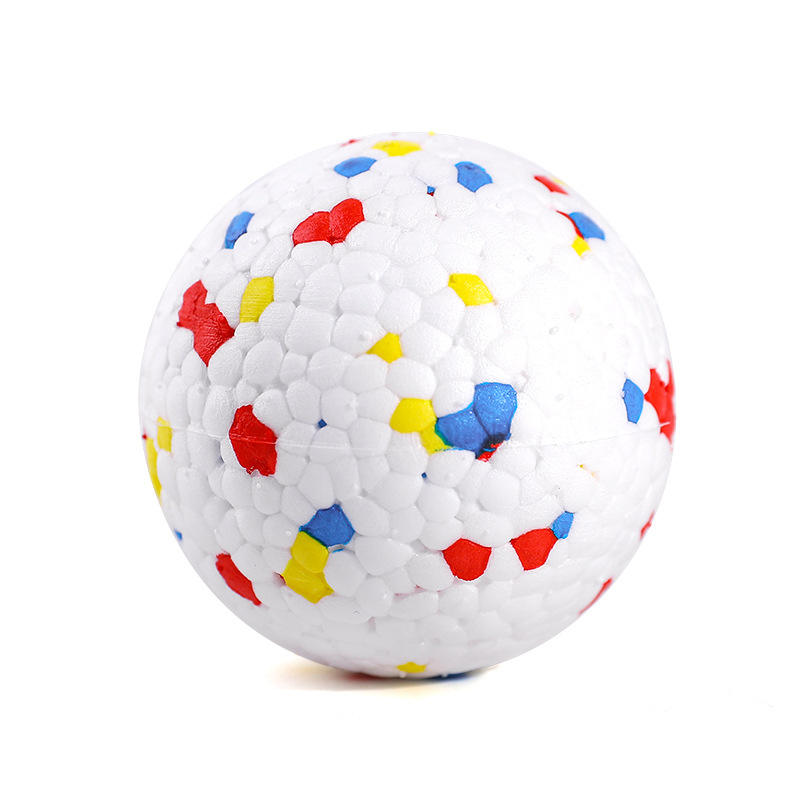
Reduce handling overhead. Consolidate cat scratchers, luxury beds, interactive silicone toys, and walking gear into unified sea or rail container loads directly at our regional hub.
Frequently Asked Questions: Sourcing Cat Trees for Germany
Key technical answers covering international logistics, customs clearance, and quality assurance.
What is your MOQ policy for custom European market orders?
Ready-to-ship catalog inventory starts at 1 to 10 units. Custom private-label runs involving specific pantone fabrics, localized German-language packaging, or customized board CNC cutting typically start at 100 to 500 units per configuration.
Can your factories comply with German chemical and safety protocols?
Yes. Upon contract specification, raw materials undergo third-party laboratory verification (SGS, TÜV, or Intertek) ensuring complete compliance with REACH Annex XVII, formaldehyde emission restrictions, and azo-dye prohibitions on fabric liners.
How do you mitigate parcel shipping damage for online marketplaces?
For cross-border platforms and drop-shipping sellers (Amazon FBA, Otto, Kaufland), we construct ISTA-3A / drop-test compliant mail-order packaging featuring 5-ply reinforced corrugated outer cartons, internal corner guards, and high-density foam padding.
What are the standard freight routes and lead times to Berlin?
Standard bulk maritime transport routes ship from Ningbo or Shanghai port directly to Hamburg or Bremerhaven (typical sailing window 28–38 days), followed by scheduled rail/truck freight to Berlin hubs. Sample dispatches via express air arrive in 4–7 days.
Ready to Scale Your European Pet Furniture Supply Chain?
Direct factory prices, transparent trade verification, low sample barriers, and multi-category consolidation. Partner with an industry-tested manufacturing exporter.
Inquire Now